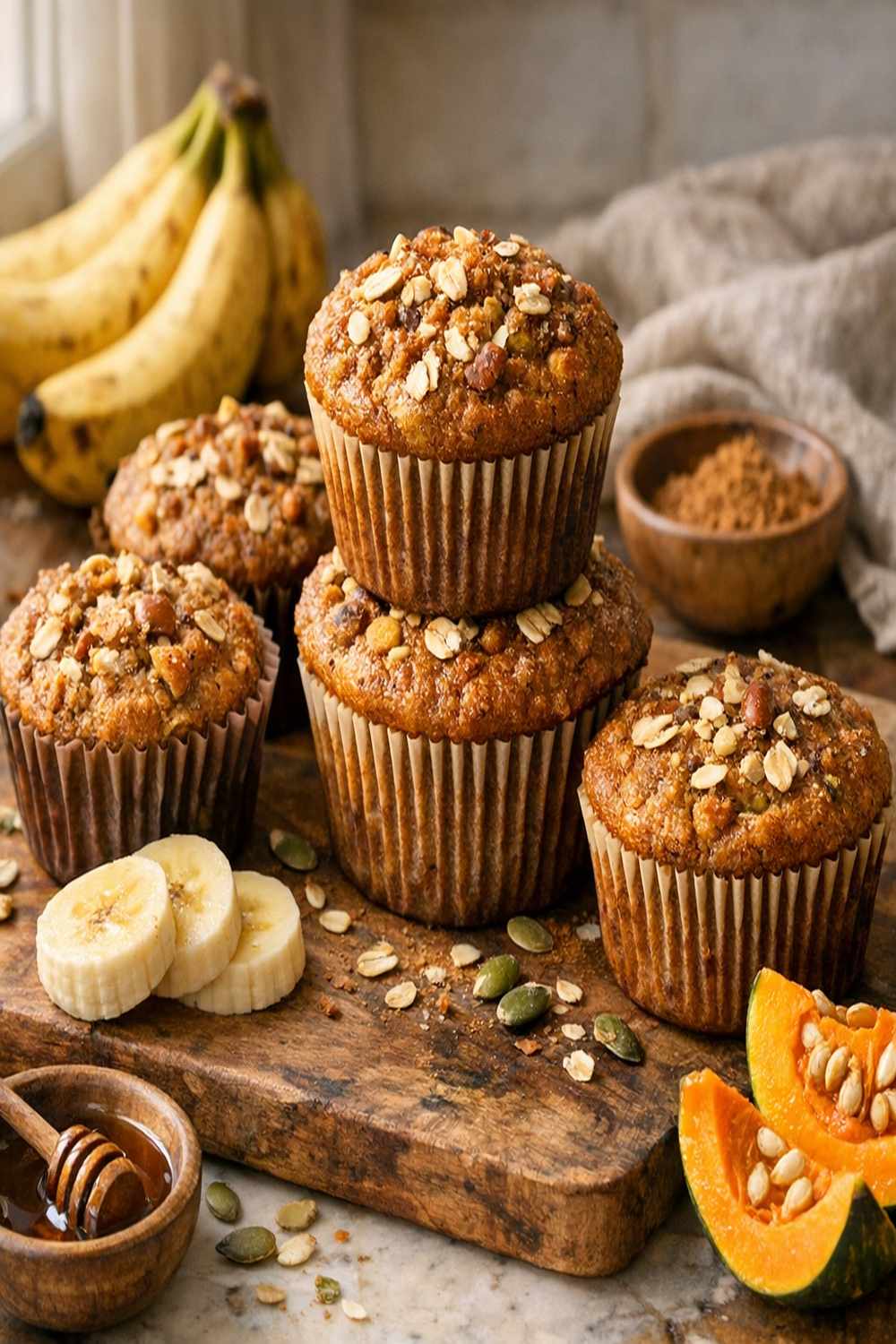

Ingredients
Method
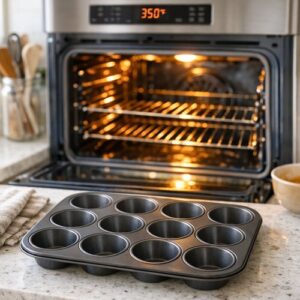
Step 1: Prepare Your Oven and Pan
- Start by preheating your oven to 350°F. This moderate temperature is intentional—it allows the muffins to cook through gently without burning the tops before the centers set. While the oven preheats, lightly coat a 12-cup muffin tin with non-stick cooking spray, making sure to get the bottom corners and the area where the cups meet the tin. This prevents the bottom edges from sticking, which is the most common complaint I hear.
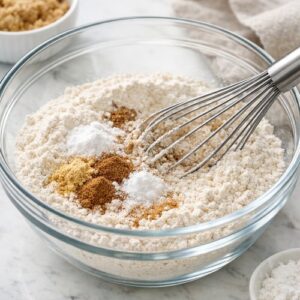
Step 2: Combine All Dry Ingredients
- In a medium mixing bowl, whisk together the flour, baking soda, cinnamon, ginger, nutmeg, and salt. Whisk vigorously for about 30 seconds—this incorporates air and distributes the leavening agent and spices evenly throughout the flour. Set this bowl aside. This step is non-negotiable; skipping it often results in muffins with odd textures or spice pockets.
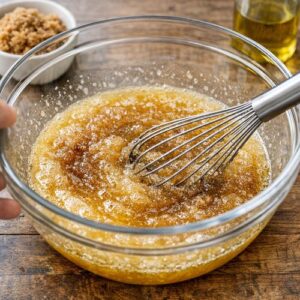
Step 3: Combine Wet Ingredients (The Most Important Step)
- In a large mixing bowl, combine the granulated sugar, packed brown sugar, olive oil, and melted butter. Whisk together for about 2 minutes until the mixture becomes smooth, pale, and slightly fluffy—you'll actually see visible emulsification happening. This is where the magic begins. The whisking action helps the oils and sugar combine, creating a better texture in the final muffin. Now add your room-temperature eggs one at a time, whisking well after each addition. The eggs are your binder and your leavening helper. Room temperature eggs incorporate more smoothly and create better emulsification than cold eggs pulled straight from the refrigerator. Finally, add the mashed banana, pumpkin puree, and vanilla extract. Whisk until completely combined—there should be no streaks of white pumpkin visible. This entire process should take about 2–3 minutes from start to finish.
Step 4: The Fold (This Determines Everything)
- Here's where patience pays off. Using a rubber spatula, add the dry ingredient mixture to the wet ingredients. Instead of stirring, fold the mixture by scraping the bottom of the bowl, pulling it up and over the dry ingredients, turning the bowl slightly, and repeating. Do this 12–15 times until you see no streaks of flour remaining and the batter just comes together. Why folding instead of stirring? Overmixing develops gluten, which creates tough, dense muffins with tunnels (those big air pockets running through the middle). Folding gently incorporates the ingredients while keeping the batter tender. The batter will be thick and slightly lumpy—this is exactly what you want. A smooth, homogeneous batter is a sign you've overworked it.

Step 5: Fill and Bake
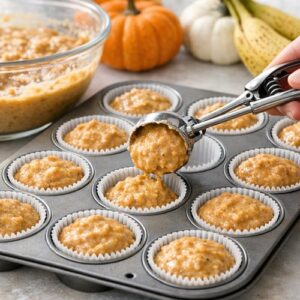
- Divide the batter evenly among the 12 prepared muffin cups, filling each about three-quarters full. Use an ice cream scoop or a ¼-cup measuring cup for consistency—this helps all muffins bake at the same rate. If you have empty cups in the tin, fill them halfway with water to ensure even heat distribution. Place the muffin tin in your preheated 350°F oven and bake for 18–20 minutes. They're done when a toothpick inserted into the center of a muffin comes out clean or with just a few moist crumbs clinging to it. Don't be tempted to overbake—those few moist crumbs are your guarantee of a tender interior. The muffins will be golden brown on top and feel set when you gently press them. The entire kitchen should smell absolutely incredible by minute 15.
Step 6: Cool and Enjoy
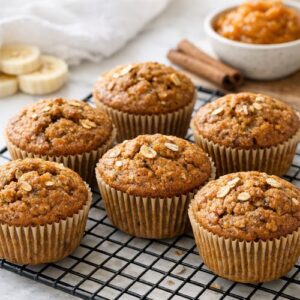
- Let the muffins rest in the pan for 5 minutes—this allows the structure to set slightly, making them easier to remove. Then transfer them to a cooling rack. They're technically edible at this point, but I recommend waiting 15–20 minutes before eating one so the crumb sets properly. Eating a muffin immediately from the oven while it's steaming is glorious, but you won't get the true texture.
Nutrition
Notes
- Mash your bananas properly - Use very ripe bananas (the peels should be mostly brown). Mash them with a fork until almost completely smooth with just a few tiny flecks remaining. Overly chunky bananas create uneven texture, while over-blended bananas become gluey.
- Don't skip room temperature ingredients - This isn't just baking folklore. Room temperature eggs and butter emulsify better with the sugar, creating better crumb structure. Leave eggs out for 15 minutes and melted butter on the counter for 5 minutes before using.
- Use Ceylon cinnamon if you can find it - It has a brighter, more delicate flavor than common cassia cinnamon. You'll notice the difference, and your guests will ask what makes these taste special.
- Invest in a kitchen scale - While cup measurements work, weighing your flour (about 190 grams per cup) eliminates the biggest source of baking failures. A $15 digital scale is one of the best kitchen investments you'll ever make.
- Fill empty muffin cups halfway with water - This creates steam in the oven, which promotes even rising and prevents the muffins on the outer edges from baking too quickly.
- Test for doneness with a wooden toothpick, not a cake tester - Wooden toothpicks are thinner and give you better feedback about the muffin's doneness. The few moist crumbs you want to see are easier to spot on wood than on metal.