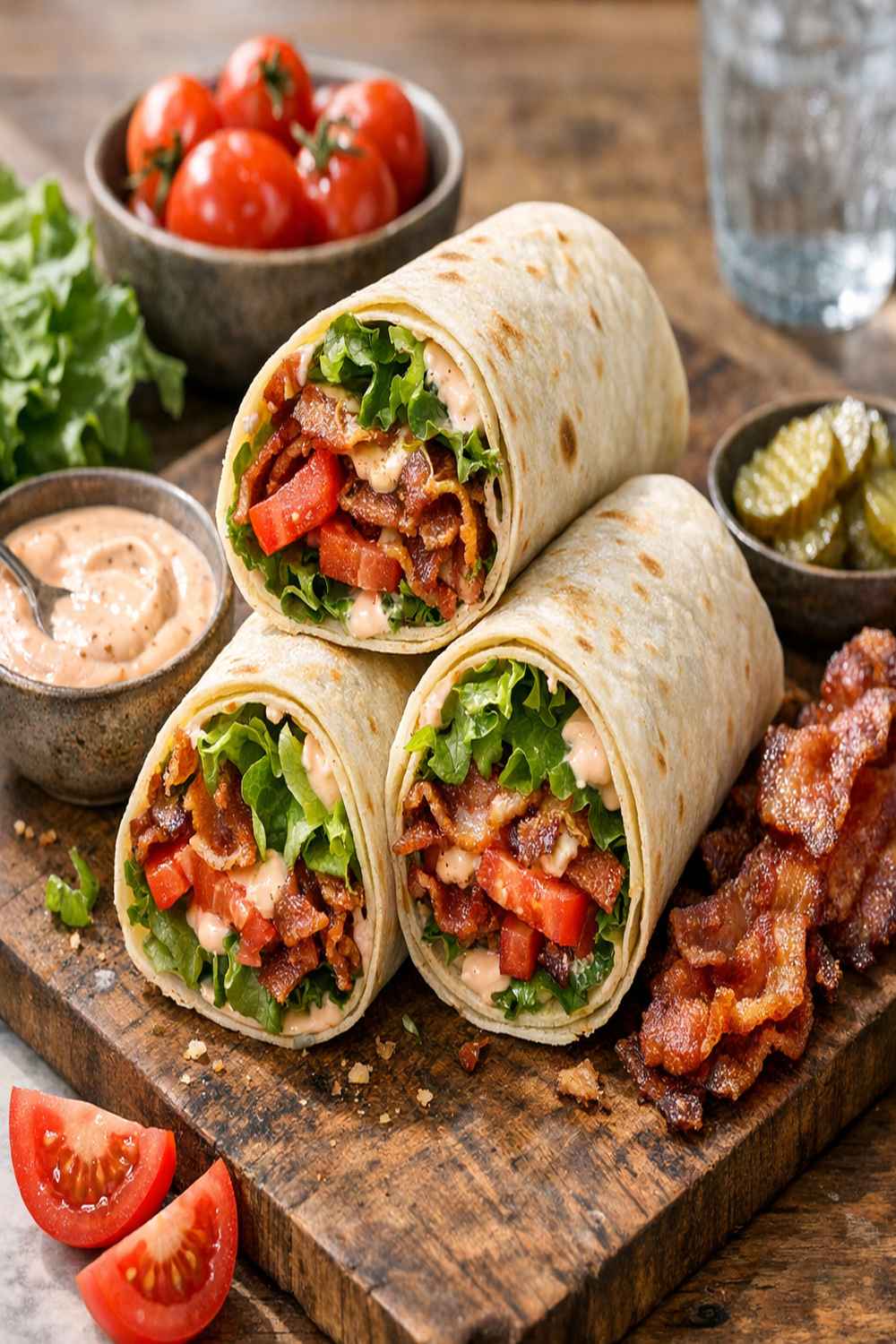

Ingredients
Method
Step 1: Render Your Bacon to Perfect Crispness
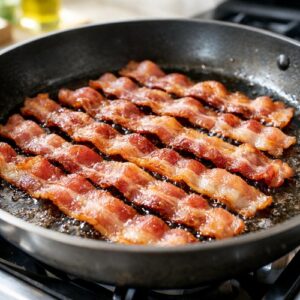
- Arrange your bacon strips in a large skillet—they shouldn't overlap, but they can touch slightly. Set your heat to medium, not medium-high. This slower approach renders the fat gradually, creating maximum crispiness without burning the exterior before the interior fully cooks. This takes approximately 12-15 minutes depending on bacon thickness. You'll hear a gentle sizzle, and eventually smell that unmistakable bacon aroma. Flip each strip halfway through cooking. When the bacon reaches deep golden-brown with slightly darkened edges, transfer it to a paper towel-lined plate. The residual heat will crisp it further as it cools. Don't discard that rendered bacon fat—it's liquid gold for salads and vegetables.
Step 2: Create Your Tomato Marinade Base
- While bacon cooks, wash your beefsteak tomatoes thoroughly under cool running water. Slice each tomato into thick rounds—approximately ½ inch—which provides structural integrity. Cut each round in half lengthwise, creating half-moon shapes that fit perfectly in wraps. Place your tomato pieces into a wide, shallow dish. This broad surface area is important—it ensures even coating with the marinade. Drizzle with the ¾ cup extra virgin olive oil and 2 tablespoons red wine vinegar. The oil-to-vinegar ratio is crucial: it's approximately 3:1, which creates proper emulsification chemistry while maintaining balanced acidity. Sprinkle with salt and pepper, then gently toss to coat all surfaces. Use a soft hand here—you're flavoring, not breaking down the tomato structure. Let these sit for 3-5 minutes while your bacon finishes cooking.

Step 3: Build Your Emulsified Secret Sauce
- This is where the magic happens. Scoop your ¼ cup mayonnaise into a small bowl. Using a small spoon, carefully drain 1 tablespoon of the accumulated tomato liquid from your marinade bowl—this includes the olive oil, vinegar, and tomato juices that have begun to mingle. Add this tablespoon of flavorful liquid to your mayonnaise. Now stir vigorously for approximately 1 minute. What's happening is an emulsification: the acidic tomato liquid is breaking down the mayo's structure slightly while incorporating all those complex flavors throughout the creamy base. The sauce will seem to loosen initially, then become silky and cohesive—this is exactly what you want. The result is something between traditional mayo and a light vinaigrette, with the richness of both and the brightness of neither alone. Taste and adjust: if you want more tang, add a few drops more of the tomato marinade. If you want more richness, use slightly more mayo next time.

Step 4: Prepare Your Wraps and Layer Strategic
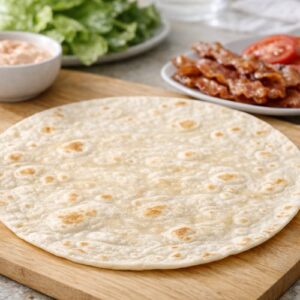
- Lay your first wrap flat on a clean surface. If your wraps are cold from refrigeration, warm them slightly in a dry skillet for 10-15 seconds per side. Warm wraps are more pliable and less likely to crack when rolling. Spread approximately 1 tablespoon of your secret sauce across the wrap's surface, leaving about a half-inch border around the edges. This matters: the border prevents filling from squishing out during rolling. Layer your crispy bacon strips across the width of the wrap—3 strips per wrap works perfectly. The bacon provides structural support and creates pockets for other ingredients.
Step 5: Add Your Fresh Components
- Over the bacon, distribute approximately ¾ cup of your shredded crisp lettuce. The texture contrast between crunchy lettuce and tender bacon is essential to each bite. Next, arrange your marinated tomato pieces in a single layer across the lettuce. The tomatoes should be one layer, not stacked, because you want them distributed evenly. The marinade that clings to the tomatoes will distribute throughout the wrap, ensuring every bite has that complex flavor throughout.

Step 6: Roll With Intention and Slice Strategically
- Starting from the side closest to you, roll the wrap tightly but gently. Fold in the sides as you go to contain the filling. The goal is a secure roll without crushing the delicate tomatoes inside. If your wraps are very thin, you might want to wrap the finished wrap in parchment paper or foil to hold everything together. Once rolled, slice diagonally—this cut shows off the beautiful layers inside and makes them easier to handle. Diagonal cuts also feel more refined on a plate. Serve immediately while the bacon is still warm and crispy.

Nutrition
Notes
- Choose Your Wrap Foundation Strategically - Low-carb wraps offer better structural integrity than traditional varieties. Whole wheat wraps provide earthier flavor. Spinach wraps add visual interest and mild earthiness. Experiment to find your preference, but avoid ultra-thin wraps that tear easily.
- Marinate Your Tomatoes in Shallow Dishes - A wide, shallow container ensures even coating and allows you to easily collect that flavorful marinade liquid. Deep dishes create pockets where tomatoes don't contact the marinade properly.
- Use a Meat Thermometer for Bacon Consistency - If precision matters to you (and it should for meal prep), remove bacon from heat when it reaches 165°F internal temperature. It crisps further as it cools, reaching perfect texture at room temperature.
- Invest in Quality Olive Oil - Since olive oil is a primary sauce component, quality matters tremendously. A good extra virgin oil costs slightly more but creates noticeably superior sauce. Look for harvest dates on the bottle—fresher is better.
- Pre-Cook Bacon in the Oven for Ease - Arrange strips on a rimmed sheet pan and bake at 400°F for 15-18 minutes. This method renders bacon more evenly than stovetop cooking, requires no flipping, and frees up your stovetop for other tasks. Similar results to our air fryer option using our air fryer bacon recipe technique.
- Keep Tomato Slices Uniform Thickness - A sharp serrated knife cuts through tomatoes cleanly without crushing them. Uniform thickness ensures even marinade penetration and consistent bites throughout.