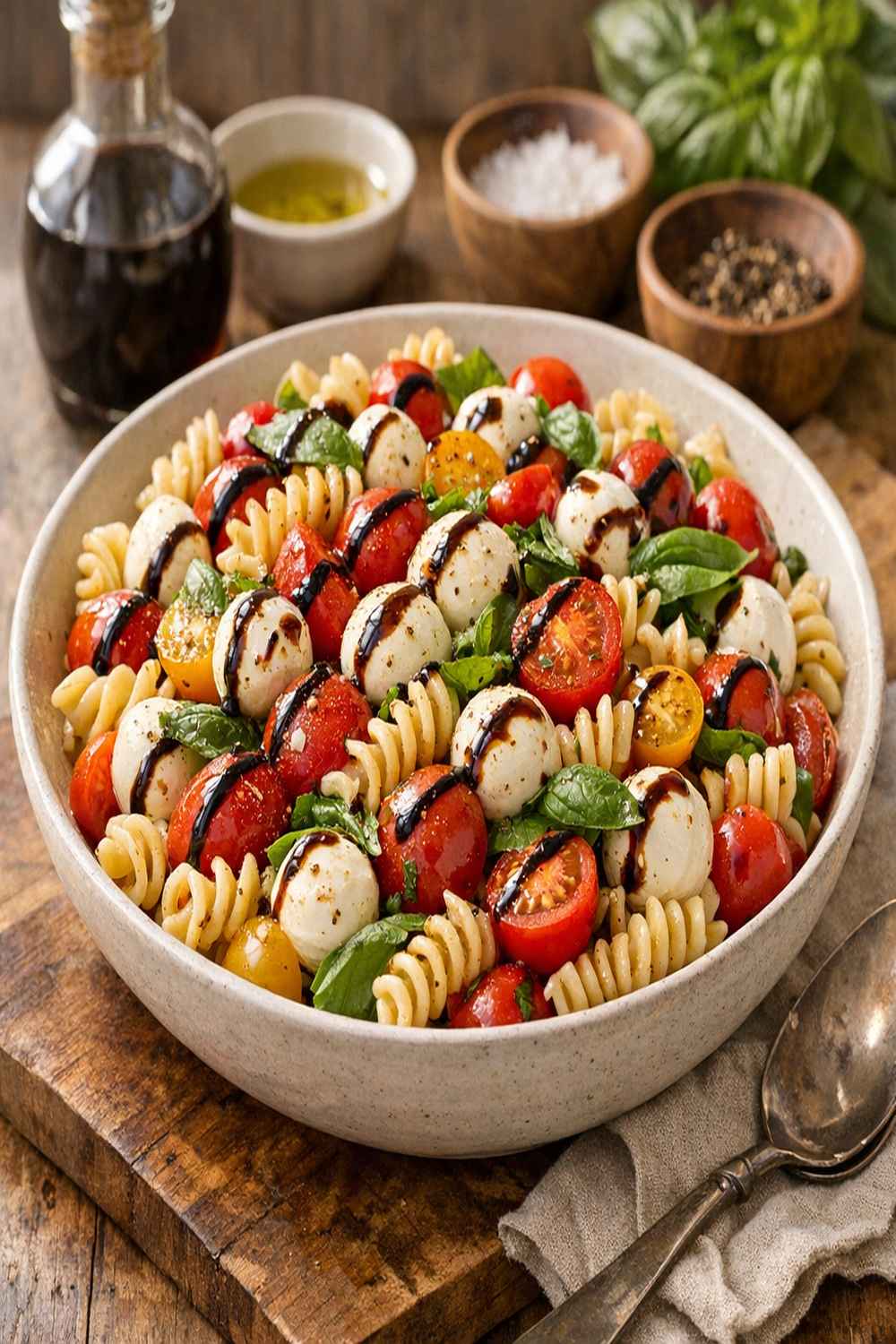

Ingredients
Method
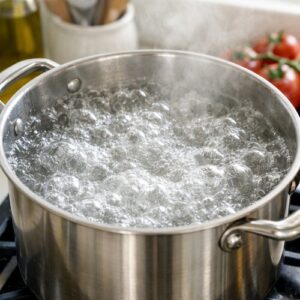
Step 1: Prepare Your Pasta Water and Cook the Pasta
- Fill a large pot with 4 quarts of water and bring it to a rolling boil—and I mean a vigorous, active boil. Once the water is bubbling energetically, add 2 tablespoons of kosher salt. The water should taste like the sea; this is your only opportunity to season the pasta itself. Add your pound of short pasta and stir immediately with a wooden spoon to prevent sticking. Follow the package directions but reduce the cooking time by 1-2 minutes—we're aiming for al dente, which means the pasta should have a slight firmness when you bite it. This texture preserves the integrity of the salad and prevents it from becoming mushy as it sits. When the pasta is ready, reserve ½ cup of the cooking water in a small bowl before draining. This starchy liquid is liquid gold for emulsifying your dressing and creating a silky coating on the pasta.
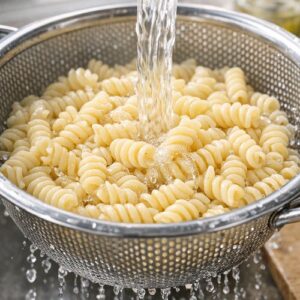
Step 2: Cool the Pasta Properly
- Drain the pasta in a colander and rinse very briefly under cool running water—no more than 10 seconds. This removes excess starch and stops the cooking process without washing away the surface that will grip the dressing. Spread the pasta on a large baking sheet in a single layer and let it cool for 5-8 minutes at room temperature. The cooling step is crucial. If you dress hot pasta, the heat will wilt the basil and cause the delicate mozzarella to break down unevenly. Room temperature pasta, on the other hand, absorbs the vinaigrette gradually and evenly.
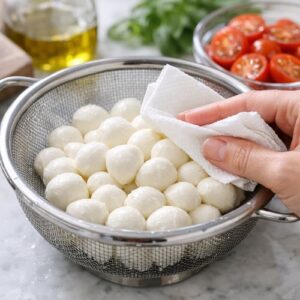
Step 3: Prepare the Mozzarella and Tomatoes
- While the pasta cools, gently drain your mozzarella balls by placing them in a fine-mesh strainer. Pat them dry with paper towels—excess moisture is the enemy of a properly textured salad. Cut each mozzarella ball in half, creating a population of smaller pieces that distribute throughout the salad. Halving the mozzarella rather than leaving them whole ensures every bite contains that creamy element. Rinse your cherry tomatoes and cut them in half lengthwise (rather than straight across). The flat surface created by lengthwise cutting allows the tomatoes to release their juices slightly into the dressing, which is exactly what we want. Place the tomato halves in a large mixing bowl.
Step 4: Whisk Together Your Balsamic Vinaigrette
- In a small bowl or mason jar with a tight-fitting lid, combine your ⅓ cup of extra virgin olive oil, 3 tablespoons of white balsamic vinegar, 1 minced garlic clove, 1 teaspoon kosher salt, 1 teaspoon freshly ground black pepper, and 2 tablespoons of fresh lemon juice. If using a bowl, whisk vigorously for 30-45 seconds until the mixture becomes cloudy and slightly thickened—this indicates an emulsion is forming. If using a mason jar, screw the lid on tightly and shake hard for one full minute. The mechanical action of shaking actually creates a better emulsion than whisking. The lemon juice isn't just for flavor—the citric acid helps stabilize the emulsion and adds brightness that prevents the dish from feeling heavy. Taste your dressing at this point and adjust salt and pepper as needed; remember that the pasta will have absorbed some salt during cooking, so be judicious.
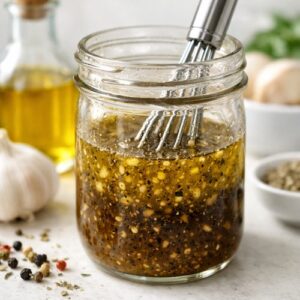
Step 5: Combine and Marry the Flavors
- Add your cooled pasta, halved mozzarella, tomato halves, and fresh basil to the bowl with the tomatoes. Pour the balsamic vinaigrette over everything and toss gently but thoroughly, using salad tongs or two wooden spoons rather than your hands—this prevents bruising the delicate components. Toss for 1-2 minutes until everything is evenly coated and the pasta has absorbed some of the dressing. The pasta should glisten but not appear wet or swimming in liquid. Taste the salad and make final seasoning adjustments. This is your moment to add more salt, pepper, or a drizzle of olive oil if the flavors aren't quite balanced. Remember that flavors will intensify as the salad sits.
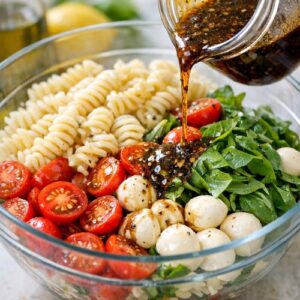
Step 6: Let It Rest Before Serving
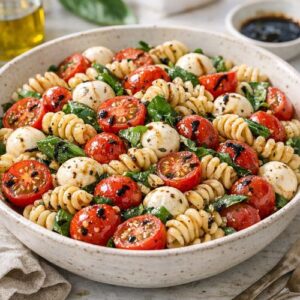
- Transfer the salad to a serving bowl or individual plates. The salad is best after resting for 30 minutes at room temperature, though it's absolutely delicious served immediately if you're in a time crunch. As it sits, the flavors marry, the pasta continues absorbing the vinaigrette, and the basil releases its essential oils into the dressing. If you're serving this later, cover and refrigerate—just pull it from the cold about 15 minutes before serving and give it a gentle toss. A drizzle of fresh olive oil and a basil leaf on top right before serving adds a professional finish.
Nutrition
Notes
- Choose the right mozzarella - Fresh mozzarella pearls (ciliegine) are essential here. Avoid pre-shredded mozzarella or low-moisture varieties, which are designed for melting and will result in a tough, rubbery texture. Seek out balls stored in whey or brine at your local Italian market or quality grocery store.
- Invest in quality white balsamic vinegar - Not all white balsamic vinegars are created equal. Some are simply white vinegar with added color, lacking the depth of true aged white balsamic. Look for bottles that list "grape must" as the first ingredient and cost at least $8-12 per bottle. Your dressing will taste noticeably superior.
- Tear basil by hand, always - A sharp knife creates bruises on basil leaves that oxidize and turn brown. Instead, hold a basil leaf in one hand and gently tear it with your other hand. The tears follow the leaf's natural veins, minimizing cell damage and keeping the basil vibrant green and aromatic.
- Use the reserved pasta water strategically - If your salad seems dry after 30 minutes, add pasta water one tablespoon at a time while tossing. This starchy liquid helps the dressing cling to the pasta and prevents the salad from becoming overly acidic as vinegar concentrates during storage.
- Taste for seasoning three times - Taste once before adding the pasta, once after combining everything, and once more before serving. This layered approach to seasoning ensures balanced, vibrant flavors throughout.
- Buy tomatoes that smell like tomatoes - Heirloom and cherry varieties are your best bet for flavor. They should be fragrant enough to smell at arm's length and yield slightly to pressure but not be mushy. Farmers market tomatoes in season will always outperform supermarket varieties.