This post contains affiliate links. As an Amazon Associate I earn from qualifying purchases.
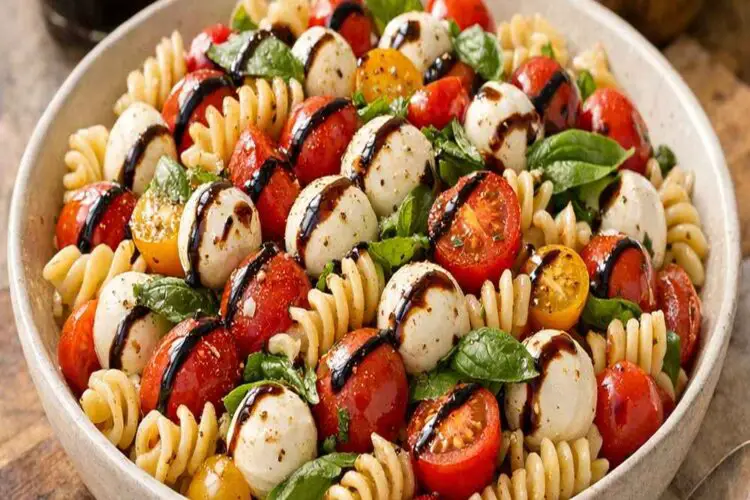
There’s something magical about combining fresh pasta with the vibrant trinity of tomatoes, creamy mozzarella, and aromatic basil. This caprese pasta salad with balsamic glaze delivers restaurant-quality flavor in minutes, making it the perfect companion to grilled proteins like our Alfredo Parmesan Chicken or as a standalone light dinner on warm evenings.
A Memory of Summer Gardens and Italian Markets
I’ll never forget the first time my grandmother took me to the farmer’s market in our Italian neighborhood when I was seven years old. We arrived early on Saturday mornings, and she’d squeeze tomatoes with her weathered hands, inspect basil leaves with the precision of a gemologist, and negotiate with vendors in rapid-fire Italian I barely understood. But I understood the love—the absolute reverence she had for each ingredient.
Years later, when I was developing recipes professionally, I recreated one of her simple summer salads but with pasta, and this caprese version became my answer to “what do you make when you want to feel like you’re sitting in a Tuscan garden?” The beauty of this dish is its honest simplicity: when you use the finest ingredients you can find, you don’t need to hide behind complicated techniques.
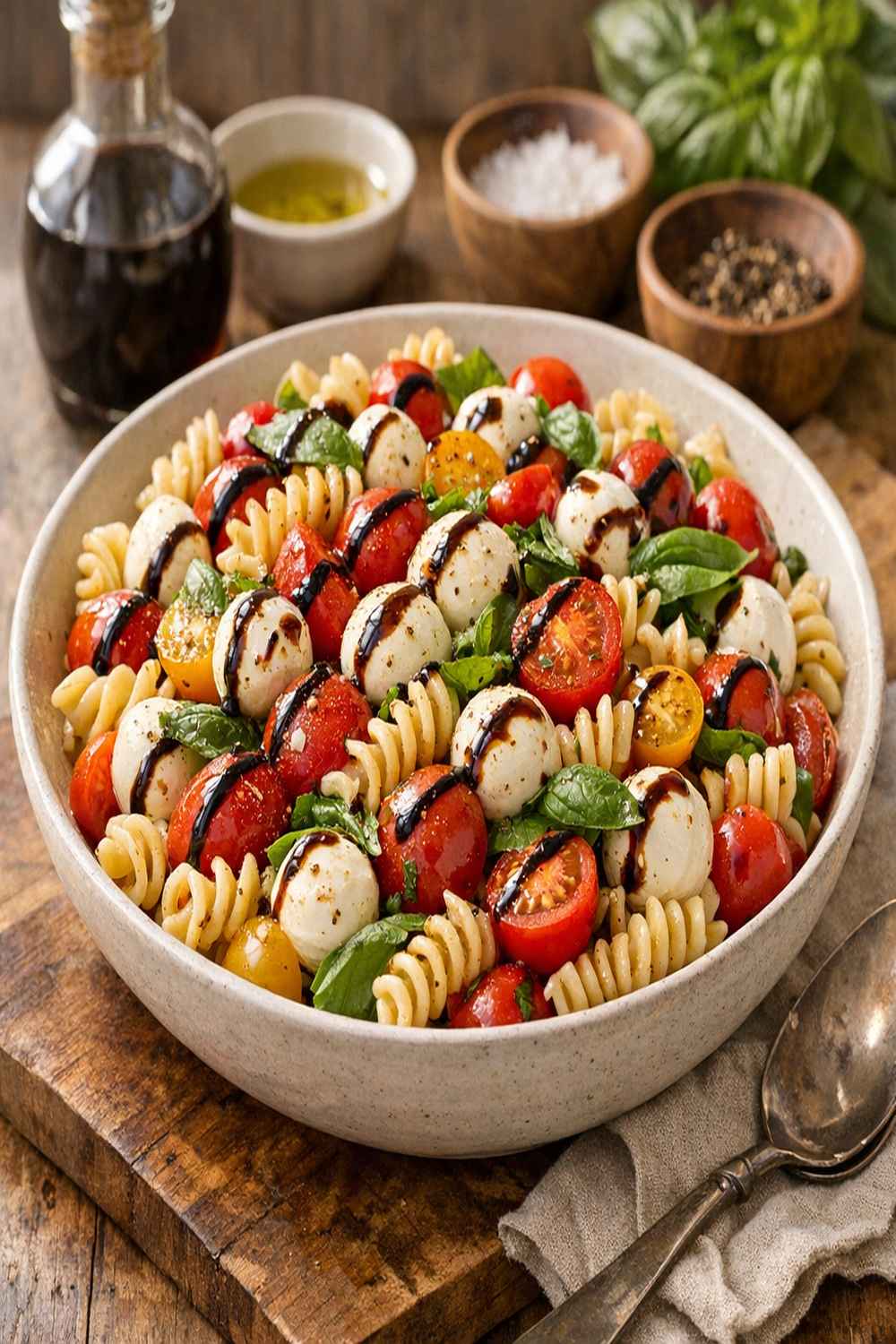
What is Caprese Pasta Salad With Balsamic Glaze Recipe?
Caprese—pronounced “kah-PRAY-say”—originates from the island of Capri off the coast of Italy, where the combination of fresh tomatoes, creamy mozzarella, and fragrant basil became iconic. Traditionally served as a simple appetizer, this pasta salad interpretation transforms those three essential components into a complete meal by introducing al dente pasta as the foundation.
The magic happens when we emulsify extra virgin olive oil with white balsamic vinegar and fresh garlic, creating a dressing that coats every pasta strand and allows the flavors to marry together over time. Unlike heavy cream-based pastas, this version celebrates the inherent quality of each ingredient—a philosophy I learned from my multicultural upbringing where fresh, whole ingredients were always prioritized over unnecessary additions.
What makes this recipe special is the balsamic glaze component. White balsamic vinegar (milder and less acidic than traditional dark balsamic) provides a subtle sweetness and tangy depth without overwhelming the delicate mozzarella. This creates complexity while maintaining the light, refreshing character the dish demands.
Why You’ll Love This Caprese Pasta Salad With Balsamic Glaze Recipe
- Ready in 20 minutes – From boiling water to serving, this salad comes together faster than most weeknight dinners, making it perfect for busy schedules
- No-cook dressing – A simple whisked vinaigrette means you’re not heating up the kitchen on summer days while still delivering sophisticated flavor
- Naturally vegetarian and gluten-free adaptable – Use chickpea or lentil pasta and you’ve got a complete protein-packed meal
- Improves over time – Unlike some salads that wilt, this one actually tastes better after a few hours as flavors meld and develop
- Scalable for crowds – Whether you’re feeding two or twelve, the ratios remain consistent and it transports beautifully to picnics and potlucks
- Customizable base – The structure works with any short pasta shape, different cheese varieties, and seasonal vegetables
The Ingredients
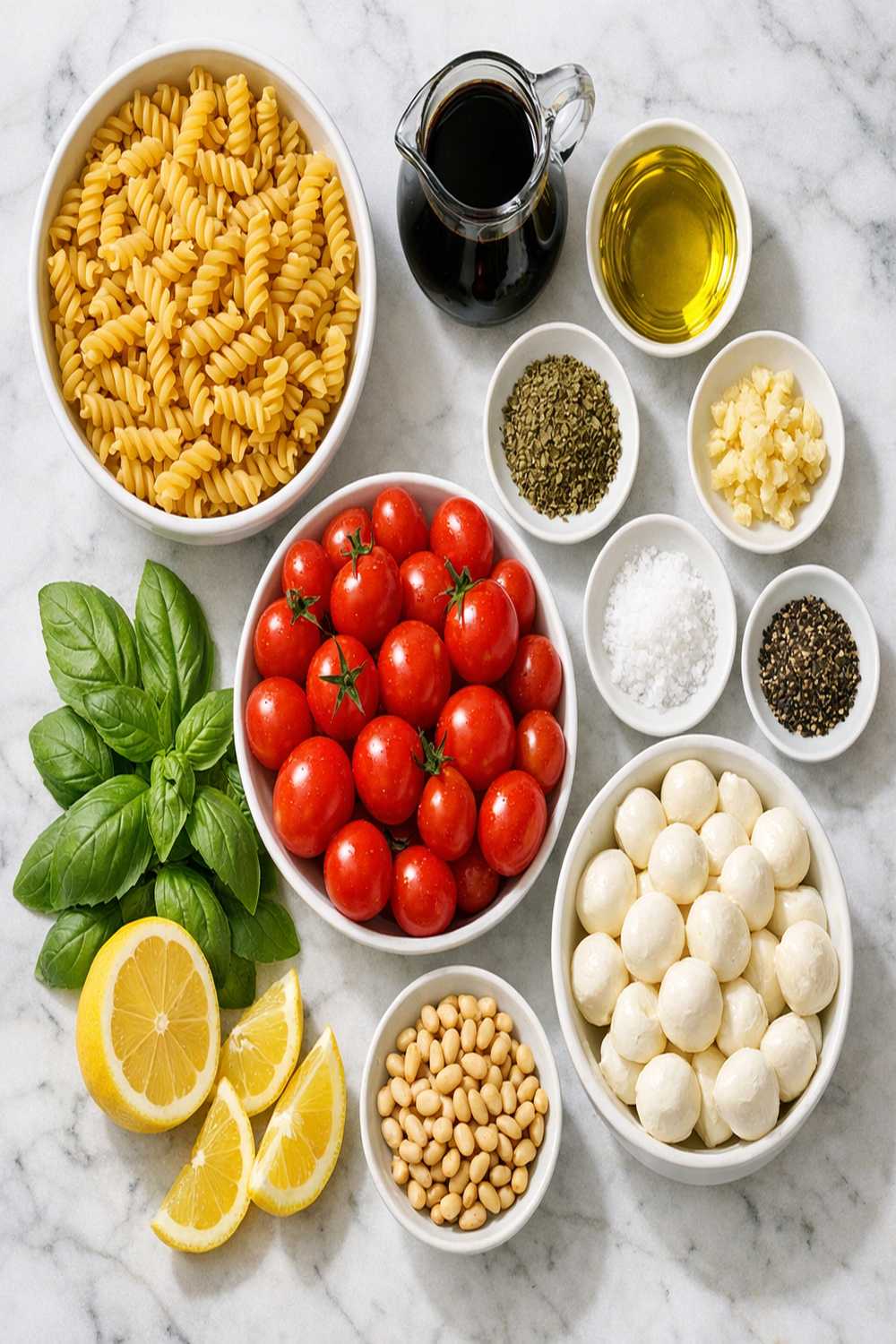
Quality ingredients are non-negotiable here. Each component should shine on its own merit—this isn’t a dish where you can hide behind heavy sauces. I’ve sourced and tested these items across multiple seasons, and I’m sharing the exact specifications that deliver the best results in your kitchen.
- 16 ounces fresh mozzarella pearls or ciliegine balls (not low-moisture; you want the tender, creamy texture)
- ⅓ cup extra virgin olive oil (a fruity, robust oil from a good producer makes a noticeable difference)
- 3 tablespoons white balsamic vinegar (the light color and subtle sweetness distinguishes it from traditional dark balsamic)
- 3 cups ripe cherry tomatoes (a mix of red and heirloom varieties adds visual appeal and flavor complexity)
- 1 teaspoon red pepper flakes (optional, for subtle heat that complements the sweetness of tomatoes)
- 1 pound short-cut pasta (such as fusilli, orrechiette, or penne – choose shapes with ridges or curves to catch the dressing)
- ½ cup fresh basil leaves (hand-torn, never chopped with a knife which bruises the delicate leaves)
- 1 teaspoon kosher salt (Diamond Crystal brand dissolves more evenly than Morton’s)
- 1 teaspoon freshly ground black pepper (always grind immediately before using for maximum aromatics)
- 2 tablespoons fresh lemon juice (adds brightness and prevents the mozzarella from oxidizing)
- 1 garlic clove (pressed or minced fine to distribute the pungent flavor evenly throughout the dressing)
Yield: Serves 4 as a main course or 6 as a side dish
How to Make Caprese Pasta Salad With Balsamic Glaze Recipe?
I’ve broken this down into clear, manageable steps. The key to success is timing—we want the pasta to cool completely before dressing so it absorbs the vinaigrette without becoming mushy. Let’s build this beautiful salad together.
Step 1: Prepare Your Pasta Water and Cook the Pasta
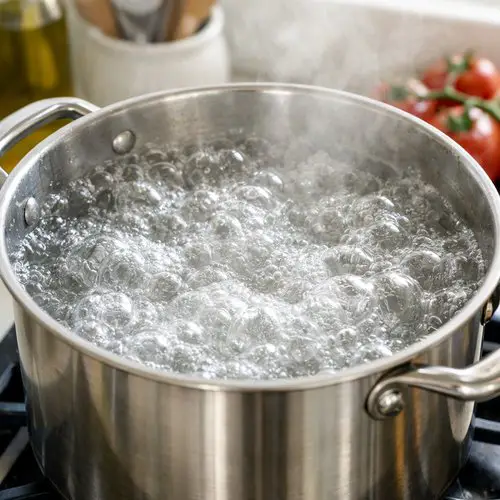
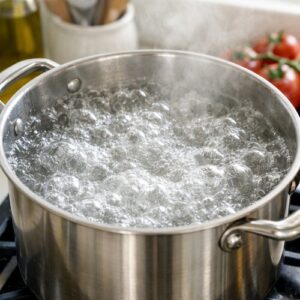
Fill a large pot with 4 quarts of water and bring it to a rolling boil—and I mean a vigorous, active boil. Once the water is bubbling energetically, add 2 tablespoons of kosher salt. The water should taste like the sea; this is your only opportunity to season the pasta itself.
Add your pound of short pasta and stir immediately with a wooden spoon to prevent sticking. Follow the package directions but reduce the cooking time by 1-2 minutes—we’re aiming for al dente, which means the pasta should have a slight firmness when you bite it. This texture preserves the integrity of the salad and prevents it from becoming mushy as it sits.
When the pasta is ready, reserve ½ cup of the cooking water in a small bowl before draining. This starchy liquid is liquid gold for emulsifying your dressing and creating a silky coating on the pasta.
Step 2: Cool the Pasta Properly
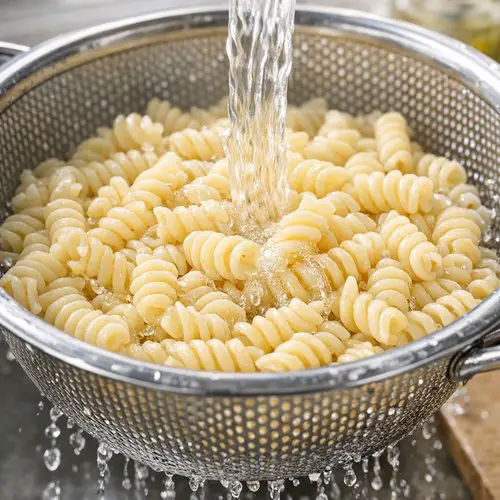
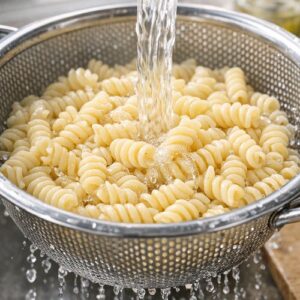
Drain the pasta in a colander and rinse very briefly under cool running water—no more than 10 seconds. This removes excess starch and stops the cooking process without washing away the surface that will grip the dressing. Spread the pasta on a large baking sheet in a single layer and let it cool for 5-8 minutes at room temperature.
The cooling step is crucial. If you dress hot pasta, the heat will wilt the basil and cause the delicate mozzarella to break down unevenly. Room temperature pasta, on the other hand, absorbs the vinaigrette gradually and evenly.
Step 3: Prepare the Mozzarella and Tomatoes
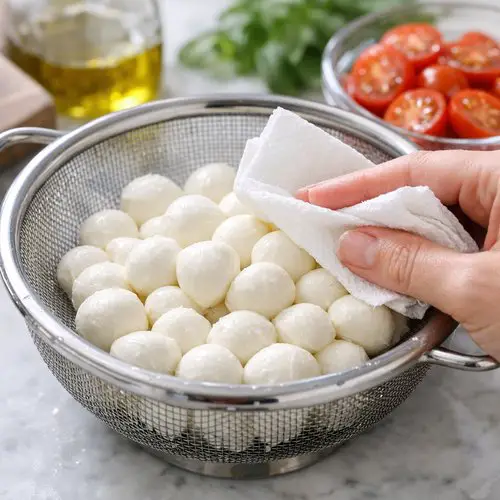
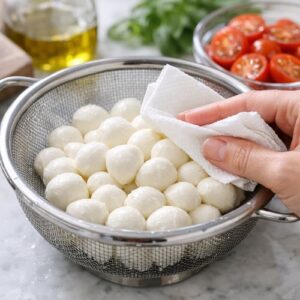
While the pasta cools, gently drain your mozzarella balls by placing them in a fine-mesh strainer. Pat them dry with paper towels—excess moisture is the enemy of a properly textured salad. Cut each mozzarella ball in half, creating a population of smaller pieces that distribute throughout the salad. Halving the mozzarella rather than leaving them whole ensures every bite contains that creamy element.
Rinse your cherry tomatoes and cut them in half lengthwise (rather than straight across). The flat surface created by lengthwise cutting allows the tomatoes to release their juices slightly into the dressing, which is exactly what we want. Place the tomato halves in a large mixing bowl.
Step 4: Whisk Together Your Balsamic Vinaigrette
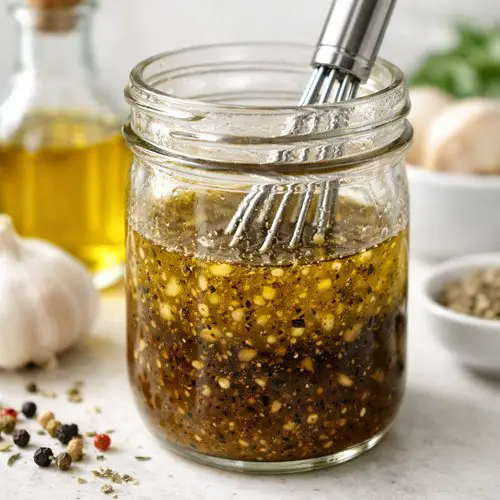
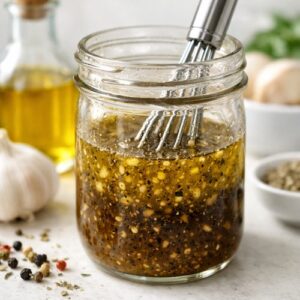
In a small bowl or mason jar with a tight-fitting lid, combine your ⅓ cup of extra virgin olive oil, 3 tablespoons of white balsamic vinegar, 1 minced garlic clove, 1 teaspoon kosher salt, 1 teaspoon freshly ground black pepper, and 2 tablespoons of fresh lemon juice.
If using a bowl, whisk vigorously for 30-45 seconds until the mixture becomes cloudy and slightly thickened—this indicates an emulsion is forming. If using a mason jar, screw the lid on tightly and shake hard for one full minute. The mechanical action of shaking actually creates a better emulsion than whisking.
The lemon juice isn’t just for flavor—the citric acid helps stabilize the emulsion and adds brightness that prevents the dish from feeling heavy. Taste your dressing at this point and adjust salt and pepper as needed; remember that the pasta will have absorbed some salt during cooking, so be judicious.
Step 5: Combine and Marry the Flavors
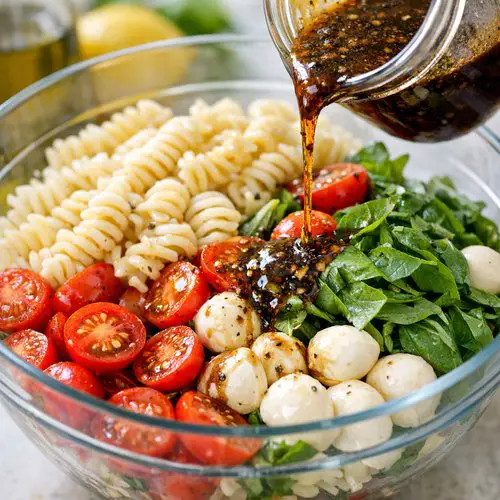
Add your cooled pasta, halved mozzarella, tomato halves, and fresh basil to the bowl with the tomatoes. Pour the balsamic vinaigrette over everything and toss gently but thoroughly, using salad tongs or two wooden spoons rather than your hands—this prevents bruising the delicate components.
Toss for 1-2 minutes until everything is evenly coated and the pasta has absorbed some of the dressing. The pasta should glisten but not appear wet or swimming in liquid.
Taste the salad and make final seasoning adjustments. This is your moment to add more salt, pepper, or a drizzle of olive oil if the flavors aren’t quite balanced. Remember that flavors will intensify as the salad sits.
Step 6: Let It Rest Before Serving
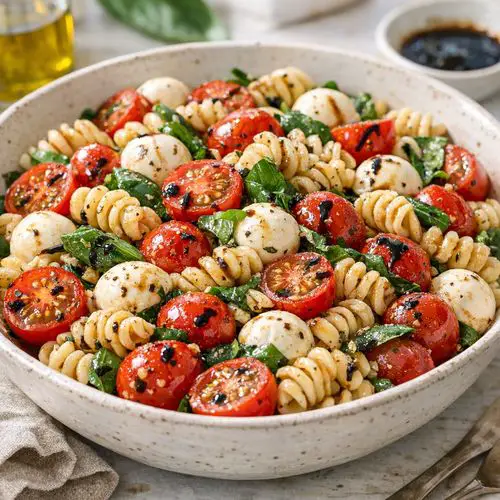
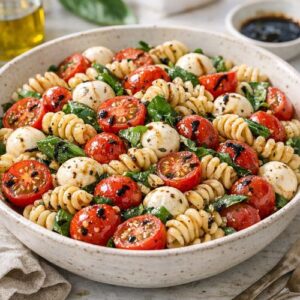
Transfer the salad to a serving bowl or individual plates. The salad is best after resting for 30 minutes at room temperature, though it’s absolutely delicious served immediately if you’re in a time crunch. As it sits, the flavors marry, the pasta continues absorbing the vinaigrette, and the basil releases its essential oils into the dressing.
If you’re serving this later, cover and refrigerate—just pull it from the cold about 15 minutes before serving and give it a gentle toss. A drizzle of fresh olive oil and a basil leaf on top right before serving adds a professional finish.
Tips and Tricks
- Choose the right mozzarella – Fresh mozzarella pearls (ciliegine) are essential here. Avoid pre-shredded mozzarella or low-moisture varieties, which are designed for melting and will result in a tough, rubbery texture. Seek out balls stored in whey or brine at your local Italian market or quality grocery store.
- Invest in quality white balsamic vinegar – Not all white balsamic vinegars are created equal. Some are simply white vinegar with added color, lacking the depth of true aged white balsamic. Look for bottles that list “grape must” as the first ingredient and cost at least $8-12 per bottle. Your dressing will taste noticeably superior.
- Tear basil by hand, always – A sharp knife creates bruises on basil leaves that oxidize and turn brown. Instead, hold a basil leaf in one hand and gently tear it with your other hand. The tears follow the leaf’s natural veins, minimizing cell damage and keeping the basil vibrant green and aromatic.
- Use the reserved pasta water strategically – If your salad seems dry after 30 minutes, add pasta water one tablespoon at a time while tossing. This starchy liquid helps the dressing cling to the pasta and prevents the salad from becoming overly acidic as vinegar concentrates during storage.
- Taste for seasoning three times – Taste once before adding the pasta, once after combining everything, and once more before serving. This layered approach to seasoning ensures balanced, vibrant flavors throughout.
- Buy tomatoes that smell like tomatoes – Heirloom and cherry varieties are your best bet for flavor. They should be fragrant enough to smell at arm’s length and yield slightly to pressure but not be mushy. Farmers market tomatoes in season will always outperform supermarket varieties.
- Don’t overdress the salad – It’s tempting to slather on extra dressing, but restraint is key. This salad should glisten, not glop. You can always add more dressing before serving if needed, but you can’t remove excess vinaigrette.
Expert’s Nutritional Tip: The Science Behind Fresh Mozzarella
As someone who’s developed thousands of recipes across multiple cuisines, I’ve learned that fresh mozzarella deserves a moment of nutritional respect. While it contains about 250 calories per 100 grams, the casein proteins and fat found in fresh mozzarella are uniquely bioavailable to our bodies—meaning we absorb and utilize them efficiently. The absence of processing and additives you find in mass-produced cheeses means your digestive system experiences less inflammation.
Additionally, the high water content of fresh mozzarella (about 50% water compared to 30% in aged cheeses) means you’re getting substantial protein and calcium without the salt load and additives common in harder cheese varieties. The beauty of this salad is that you get approximately 18 grams of protein per serving while maintaining a relatively light caloric profile—approximately 340-380 calories depending on pasta choice.
Make-Ahead Guide: Meal Prep Strategy
Prepare up to 24 hours in advance: Cook your pasta according to directions, cool completely, and store in an airtight container in the refrigerator. Prep your tomatoes and store them separately in a sealed container. Make your vinaigrette and store it in a mason jar—shake before using.
Assemble 2-4 hours before serving: Combine everything except the fresh basil. The basil goes in just 30 minutes before serving to prevent oxidation and browning. This timing allows flavors to marry while keeping the herbs fresh and vibrant.
For next-day service: Store the complete salad (basil included) in an airtight container for up to 3 days. The pasta will continue absorbing dressing and become slightly softer, which some prefer. Add an extra tablespoon of pasta water and fresh olive oil before serving to refresh the texture and flavor.
For transportation to events: Keep the salad in a sealed container and store the reserved fresh basil separately in a small container with a damp paper towel. Toss in the fresh basil just before serving to maintain its visual appeal and aromatic qualities.
Common Mistakes to Avoid
- Using hot pasta and cold cheese – The temperature differential creates an unpleasant texture and prevents proper emulsification of the dressing. Always cool the pasta to room temperature before combining with cold cheese. This small detail makes a massive difference in the final product.
- Cutting tomatoes too far in advance – Tomatoes begin leaking their precious juices immediately after cutting. If prepped more than 2-3 hours ahead, they become mushy and the juice overwhelms the dressing. Cut them closer to assembly time whenever possible.
- Skipping the pasta cooking water – Many home cooks drain pasta and discard the water without realizing it’s a critical ingredient. The starch in that water emulsifies fat and acid, creating a silky dressing that coats every strand. Reserve it always.
- Using inferior vinegar or oil – With only 9 ingredients in this recipe, every single one matters. Cheap olive oil tastes rancid and stale. Cheap balsamic tastes like candy-flavored vinegar. Invest in quality here and your salad becomes transcendent rather than just okay.
Seasonal Variations: Adapting Throughout the Year
Spring variation: Replace some cherry tomatoes with halved strawberries and add fresh mint alongside the basil. Include thin ribbons of raw zucchini and top with shaved Parmigiano-Reggiano. The sweetness of spring strawberries paired with the earthiness of basil creates unexpected complexity.
Summer variation (classic): This is the recipe’s natural home. Use the ripest, most flavorful heirloom tomatoes you can find. Add fresh corn kernels (raw or lightly blanched) and thin red onion slices. The sweetness of corn complements the balsamic beautifully.
Fall variation: Roast halved cherry tomatoes at 400°F for 15 minutes until they blister and concentrate their juices. Add crispy prosciutto pieces, toasted pine nuts, and fresh arugula instead of basil. The depth of roasted tomatoes creates an earthier, more complex salad perfect for transition weather.
Winter variation: Use sun-dried tomatoes (rehydrated in warm water) alongside fresh tomato halves for deeper flavor. Add roasted red peppers, fresh mozzarella, and tender spinach. Swap basil for fresh oregano. The combination provides warmth while maintaining the fresh spirit of the dish.
Can I Store Caprese Pasta Salad With Balsamic Glaze Recipe?
Absolutely, and this salad actually improves as it sits. Store the complete salad (with basil included) in an airtight container in the refrigerator for up to 3 days. The pasta will continue absorbing the vinaigrette, becoming increasingly flavorful with each passing hour.
After the first day, the salad may appear slightly drier as the pasta absorbs the dressing. Simply add 1-2 tablespoons of reserved pasta water or fresh olive oil while tossing, and the salad will regain its glossy appearance and proper texture. Some of my testing team actually preferred it on day two after flavors had fully married.
Do not freeze this salad—the texture of both the mozzarella and pasta will become unpleasant when thawed. However, you can freeze the vinaigrette separately for up to 1 month. Thaw it overnight in the refrigerator and shake well before using.
For best flavor and texture, serve at room temperature rather than chilled. If storing in the refrigerator, remove the salad 15-20 minutes before serving to allow it to come to temperature, which releases the full aromatic profile of the basil and allows the cheese to showcase its creamy texture.
Nutrition Information
Per serving (based on 4 servings): Calories: 345 | Fat: 18g | Saturated Fat: 8g | Protein: 18g | Carbohydrates: 32g | Dietary Fiber: 2g | Sodium: 520mg
This information is based on USDA FoodData Central analysis using average values for whole grain pasta, fresh mozzarella, cherry tomatoes, and extra virgin olive oil. Values may vary based on your specific ingredient selections and brand choices. The protein content makes this a complete meal suitable for lunch or light dinner, while the carbohydrates come primarily from the pasta and the healthy fats from olive oil provide sustained energy.
The sodium is modest—entirely from the salt in the dressing and pasta cooking water, with no hidden additives or preservatives. The dietary fiber comes from the whole vegetables and your choice of pasta variety (switch to legume-based pasta for additional protein and fiber if desired).
What Can I Serve With Caprese Pasta Salad With Balsamic Glaze Recipe?
This salad is versatile enough to be a complete meal on its own, but it pairs beautifully with complementary proteins and sides. I love serving it alongside grilled chicken, fresh fish, or as part of a broader Italian-inspired spread.
For a complete summer meal, serve alongside my holiday turkey guide for a leaner protein option, or add a simple grilled chicken breast on top of the salad itself. The lightness of this salad makes it perfect alongside something like Air Fryer Grilled Cheese for an elevated sandwich experience on warmer days.
- Grilled proteins – Chicken breast, swordfish, shrimp, or even grilled tofu benefit from the bright acidity and freshness of this salad. The vinaigrette cuts through richer proteins beautifully.
- Crusty bread – A simple grilled ciabatta or sourdough for scooping up every last drop of vinaigrette. Don’t skip this—the dressing pooling at the bottom of the bowl is liquid gold.
- Roasted vegetables – Baby Carrots In The Oven or roasted zucchini provide earthiness that grounds the brightness of the caprese elements.
- Crispy antipasto – Prosciutto chips, crispy pancetta, or roasted chickpeas add textural contrast and a savory depth that elevates the entire plate.
- Simple green salad – A bed of peppery arugula or tender spinach under the caprese pasta adds volume and additional vegetables without competing for flavor attention.
- Wine pairing – Crisp white wines like Pinot Grigio, Sauvignon Blanc, or Italian Vermentino complement the fresh herbs and acidic vinaigrette perfectly. The herbal notes in the wine echo the basil in the salad.
Substitutes
- Burrata instead of mozzarella pearls – If you prefer an even creamier experience, use burrata cheese (fresh mozzarella with a creamy center) instead of regular mozzarella. The richness is indulgent, though it masks some of the delicate flavors of the other components. Add it at the last moment before serving.
- Dark balsamic vinegar – While white balsamic is ideal, traditional aged dark balsamic works. Use slightly less (2 tablespoons instead of 3) as it’s more intense and can overpower the subtle components. You’ll get deeper, more caramelized flavor notes.
- Red wine vinegar or sherry vinegar – Not ideal, but in a pinch, these work. Use 2 tablespoons of vinegar (less than the balsamic amount) and add ½ teaspoon of honey to replicate the subtle sweetness balsamic provides naturally.
- Different pasta shapes – Any short pasta works beautifully: farfalle (bow ties), gemelli (twisted strands), or even larger shapes like rigatoni. Avoid long pastas like spaghetti or linguine, which don’t distribute the dressing evenly and become difficult to portion when serving.
- Heirloom tomatoes – While cherry tomatoes are traditional, quartered heirlooms work wonderfully. Just understand that their higher water content may require you to increase the amount of pasta water used to adjust consistency. Add conservatively.
- Lemon instead of vinegar – For a completely different (and lighter) flavor profile, replace the balsamic vinegar with 2 tablespoons of fresh lemon juice plus 1 tablespoon of white wine vinegar. This creates a more delicate, Mediterranean approach emphasizing citrus brightness.
- Whole grain or legume pasta – For additional fiber and protein, substitute chickpea, lentil, or whole wheat pasta. The earthier flavor of these varieties holds up beautifully to the bright vinaigrette and increases the salad’s nutritional profile significantly.
- Crème fraîche or Greek yogurt mozzarella – If you can’t find fresh mozzarella, whisk together 1 cup of crème fraîche with ¼ cup of fresh lemon juice and a pinch of salt, then dollop onto the finished salad. It’s not traditional, but it provides creamy richness.

Caprese Pasta Salad With Balsamic Glaze Recipe
Ingredients
Method
- Fill a large pot with 4 quarts of water and bring it to a rolling boil—and I mean a vigorous, active boil. Once the water is bubbling energetically, add 2 tablespoons of kosher salt. The water should taste like the sea; this is your only opportunity to season the pasta itself. Add your pound of short pasta and stir immediately with a wooden spoon to prevent sticking. Follow the package directions but reduce the cooking time by 1-2 minutes—we're aiming for al dente, which means the pasta should have a slight firmness when you bite it. This texture preserves the integrity of the salad and prevents it from becoming mushy as it sits. When the pasta is ready, reserve ½ cup of the cooking water in a small bowl before draining. This starchy liquid is liquid gold for emulsifying your dressing and creating a silky coating on the pasta.
- Drain the pasta in a colander and rinse very briefly under cool running water—no more than 10 seconds. This removes excess starch and stops the cooking process without washing away the surface that will grip the dressing. Spread the pasta on a large baking sheet in a single layer and let it cool for 5-8 minutes at room temperature. The cooling step is crucial. If you dress hot pasta, the heat will wilt the basil and cause the delicate mozzarella to break down unevenly. Room temperature pasta, on the other hand, absorbs the vinaigrette gradually and evenly.
- While the pasta cools, gently drain your mozzarella balls by placing them in a fine-mesh strainer. Pat them dry with paper towels—excess moisture is the enemy of a properly textured salad. Cut each mozzarella ball in half, creating a population of smaller pieces that distribute throughout the salad. Halving the mozzarella rather than leaving them whole ensures every bite contains that creamy element. Rinse your cherry tomatoes and cut them in half lengthwise (rather than straight across). The flat surface created by lengthwise cutting allows the tomatoes to release their juices slightly into the dressing, which is exactly what we want. Place the tomato halves in a large mixing bowl.
- In a small bowl or mason jar with a tight-fitting lid, combine your ⅓ cup of extra virgin olive oil, 3 tablespoons of white balsamic vinegar, 1 minced garlic clove, 1 teaspoon kosher salt, 1 teaspoon freshly ground black pepper, and 2 tablespoons of fresh lemon juice. If using a bowl, whisk vigorously for 30-45 seconds until the mixture becomes cloudy and slightly thickened—this indicates an emulsion is forming. If using a mason jar, screw the lid on tightly and shake hard for one full minute. The mechanical action of shaking actually creates a better emulsion than whisking. The lemon juice isn't just for flavor—the citric acid helps stabilize the emulsion and adds brightness that prevents the dish from feeling heavy. Taste your dressing at this point and adjust salt and pepper as needed; remember that the pasta will have absorbed some salt during cooking, so be judicious.
- Add your cooled pasta, halved mozzarella, tomato halves, and fresh basil to the bowl with the tomatoes. Pour the balsamic vinaigrette over everything and toss gently but thoroughly, using salad tongs or two wooden spoons rather than your hands—this prevents bruising the delicate components. Toss for 1-2 minutes until everything is evenly coated and the pasta has absorbed some of the dressing. The pasta should glisten but not appear wet or swimming in liquid. Taste the salad and make final seasoning adjustments. This is your moment to add more salt, pepper, or a drizzle of olive oil if the flavors aren't quite balanced. Remember that flavors will intensify as the salad sits.
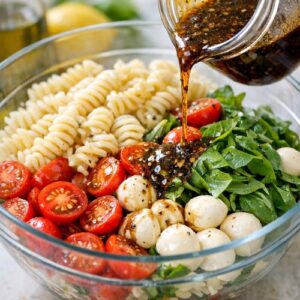
- Transfer the salad to a serving bowl or individual plates. The salad is best after resting for 30 minutes at room temperature, though it's absolutely delicious served immediately if you're in a time crunch. As it sits, the flavors marry, the pasta continues absorbing the vinaigrette, and the basil releases its essential oils into the dressing. If you're serving this later, cover and refrigerate—just pull it from the cold about 15 minutes before serving and give it a gentle toss. A drizzle of fresh olive oil and a basil leaf on top right before serving adds a professional finish.
Nutrition
Notes
Tried this recipe?
Let us know how it was!FAQs
Can I make this salad the night before?
Yes, absolutely! This is one of the beauties of this particular salad. Prepare everything up to 24 hours in advance except the fresh basil. Store the pasta, tomatoes, mozzarella, and vinaigrette separately in airtight containers in the refrigerator. About 30 minutes before serving, combine everything and add the fresh basil (which can oxidize and brown if added too early). The flavors actually improve overnight as the pasta absorbs the dressing.
Why does my mozzarella sometimes get rubbery?
This happens when the mozzarella is exposed to heat or sits too long without adequate moisture. Always use fresh mozzarella (never low-moisture), pat it dry before adding it to the salad, and ensure the pasta has cooled to room temperature before combining. Additionally, don’t overdress the salad—excess vinegar can cause the cheese to break down and become tough. If you’re making this ahead, add the mozzarella within 4-6 hours of serving rather than overnight.
Can I use regular balsamic vinegar instead of white balsamic?
You can, but it changes the character of the dish. Dark balsamic is more assertive and caramelized, which can overpower the delicate mozzarella. If using it, reduce the amount to 2 tablespoons and add ½ teaspoon of honey to balance the intensity. The salad will taste richer and less fresh—still delicious, but not quite the same elegant simplicity.
How do I prevent the pasta from getting mushy?
Cook the pasta 1-2 minutes under the package’s recommended cooking time to achieve al dente texture. Rinse it briefly (no more than 10 seconds) under cool water to stop the cooking process, then spread it on a baking sheet to cool completely. The cool pasta absorbs dressing gradually without becoming mushy. As you taste and season, you control how much dressing coats each strand—less dressing means the pasta retains firmness longer.
What’s the best way to store leftover pasta salad?
Transfer it to an airtight glass container and refrigerate for up to 3 days. The salad actually tastes better on day two as flavors marry and meld. If it seems dry after a day, add 1-2 tablespoons of reserved pasta water or a light drizzle of fresh olive oil while tossing gently. Remove the salad from the refrigerator 15 minutes before serving so it can return to room temperature, which brings out the full aromatic and flavor profile. Never freeze—the texture of both mozzarella and pasta deteriorates.
Can I add protein to make this a more substantial meal?
Definitely! Add grilled chicken breast (8 ounces, sliced), grilled shrimp, crispy pancetta, or white beans stirred in just before serving. You can also serve it as a bed for grilled salmon or swordfish. The fresh, acidic vinaigrette complements proteins beautifully without overwhelming them. For vegetarian protein, add white beans, crispy chickpeas, or even hard-boiled eggs sliced and arranged on top. The salad’s light character makes it work equally well as a side dish or complete meal depending on what protein you choose.
More Recipes You’ll Love
- my favorite salad – Another fresh, bright salad that celebrates quality ingredients with a custom dressing
- Alfredo Parmesan Chicken – The perfect protein to serve alongside this caprese salad for a complete Italian-inspired meal
- Alfredo Sauce Made With Cream Cheese Recipe – A different pasta approach when you want something richer and more indulgent
- The Copycat Starbucks Breakfast Sandwich Recipe – For using fresh mozzarella in unexpected applications throughout your week
A Final Word on Simplicity and Quality
This caprese pasta salad with balsamic glaze represents everything I believe about home cooking: that the best dishes come from respecting your ingredients and resisting the urge to over-complicate. My grandmother knew this instinctively. She didn’t need fancy techniques or exotic ingredients—she needed ripe tomatoes, fresh basil, quality cheese, and good olive oil.
I hope this recipe brings you joy the way my grandmother’s simple salads brought her family together. Whether you’re feeding yourself on a quiet Tuesday evening or hosting a summer gathering, this salad delivers restaurant-quality flavor with minimal effort. Make it, taste it, adjust it to your preferences, and most importantly, share it with people you love.
The beauty of this dish is that it’s both humble and impressive—exactly the kind of food that matters most. Enjoy!