
Ingredients
Method
Step 1: Cook the Fettuccine Perfectly
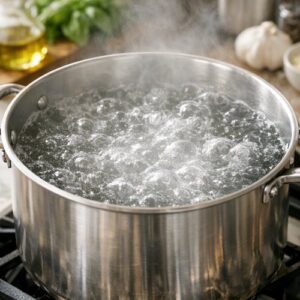
- Fill a large pot with about 4-5 quarts of water and bring it to a rolling boil over high heat. This typically takes 8-10 minutes depending on your stove and pot size. Add a generous handful of kosher salt—your water should taste like the sea. This is your only opportunity to season the pasta itself. Once the water is at a full boil, add your fettuccine and give it an immediate stir to prevent sticking. Set a timer according to package directions—usually 9-11 minutes for al dente. We want the pasta to have a slight firmness when you bite it, not soft or mushy. About 2 minutes before the pasta finishes cooking, reserve 1/2 cup of the cooking water in a small bowl or measuring cup. This starchy water will become your secret weapon for adjusting the sauce consistency. Then drain the pasta thoroughly in a colander, but don't rinse it—the surface starch helps the sauce cling beautifully.
Step 2: Season and Sear the Chicken Breasts
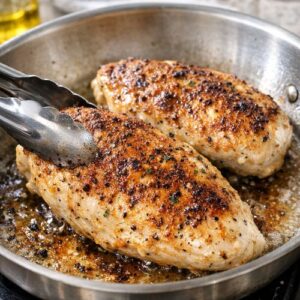
- While the pasta cooks, pat your chicken breasts dry with paper towels—moisture is the enemy of a good sear. If your breasts are particularly thick, you can gently pound them to even thickness (about 3/4 inch) between plastic wrap using a meat mallet. This ensures even cooking. In a small bowl, combine the Italian seasoning, kosher salt, and black pepper. Season both sides of the chicken generously and evenly. Let the seasoned chicken sit for about 2 minutes—this allows the salt to penetrate slightly. Heat the extra-virgin olive oil in a large nonstick skillet over medium-high heat. Wait until the oil shimmers and moves easily when you tilt the pan—this indicates it's around 375-400°F. The pan should be hot enough that the chicken sizzles immediately upon contact. Add the chicken breasts and resist the urge to move them. Leave them completely undisturbed for 5-7 minutes. During this time, a golden-brown crust will develop through the Maillard reaction—the same chemical process that creates delicious browning on a steak. You'll know it's ready when the chicken releases easily from the pan and has a deep golden color. Flip the chicken and immediately add the 1 tablespoon of butter. Swirl the pan gently so the melting butter coats the chicken. Cook for another 5-7 minutes. Check for doneness by inserting an instant-read thermometer into the thickest part—it should read exactly 165°F. If you don't have a thermometer, cut into the thickest part; the juices should run clear with no pink. Transfer the chicken to a clean cutting board and tent loosely with aluminum foil. It will continue cooking slightly from residual heat. Rest it for exactly 3 minutes—this allows the juices to redistribute throughout the meat, keeping it moist when you slice it.
Step 3: Build the Alfredo Sauce
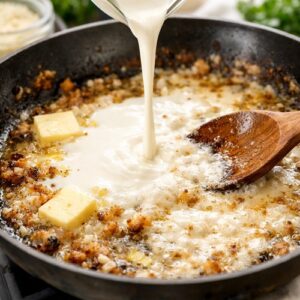
- This is where the magic happens. In the same skillet where you cooked the chicken (don't wash it—those browned bits add incredible flavor), reduce the heat to medium-low. Add the butter cubes and cream simultaneously, whisking constantly. The butter should melt within about 1 minute as it disperses into the cream. Watch for the mixture to become smooth and combined before moving forward. If you add other ingredients before the butter is fully integrated, you risk a broken sauce. Once you have a smooth, creamy base, add the minced garlic, garlic powder, Italian seasoning, salt, and pepper. Whisk everything together thoroughly until you see no visible specks of garlic. The spices should be evenly distributed throughout the sauce. Increase the heat very slightly to medium-low to medium and let the sauce come to a gentle simmer. You're looking for tiny bubbles that break at the surface, not a rolling boil. Whisk constantly for 3-4 minutes. During this time, the sauce will thicken slightly as the cream reduces and concentrates its flavors. The constant whisking prevents sticking and ensures even cooking. After 3-4 minutes, remove the pan from heat completely. This is critical: adding cheese to a boiling sauce can cause it to break and become grainy. Add the freshly grated Parmigiano-Reggiano in two batches, whisking gently after each addition until fully melted. The residual heat will melt the cheese perfectly without breaking the emulsion. The sauce should be smooth, glossy, and luxuriously thick. If it's thicker than you'd like (sauce should coat the back of a spoon but still flow), add the reserved pasta water a few tablespoons at a time, whisking constantly, until you reach your desired consistency. Start conservatively—you can always add more, but you can't take it out.
Step 4: Combine Everything
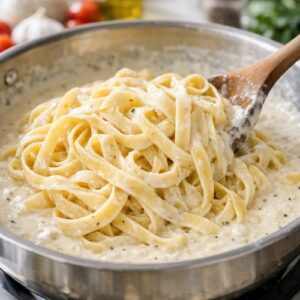
- Return the sauce to the heat briefly—just enough to warm it if it's cooled while you were working—then immediately add the cooked fettuccine. Using tongs or two forks, toss the pasta gently but thoroughly so every strand becomes coated with the creamy sauce. This should take about 1-2 minutes of gentle tossing. The heat from the pasta will help the sauce adhere without creating clumping. If you're tossing and the sauce seems to be setting up too quickly, add another tablespoon of the reserved cooking water.
Step 5: Slice the Chicken and Plate
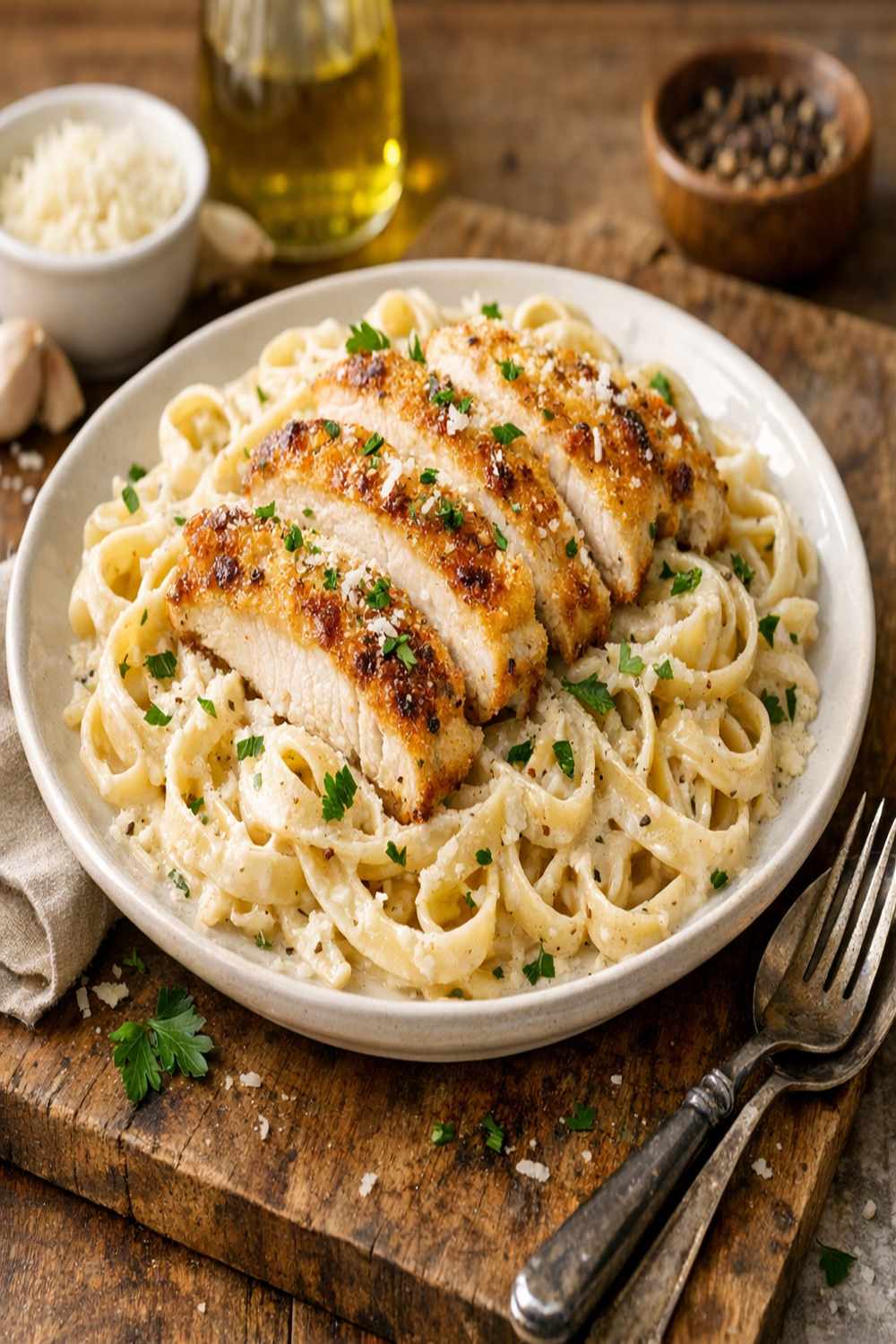
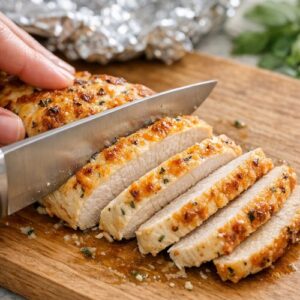
- Remove the foil from the chicken and cut it into approximately 1/2-inch-thick slices using a sharp knife. If you're slicing through to the cutting board, you're going too thick. These slices should be substantial enough to showcase the tender, juicy interior but thin enough to sit gracefully on top of the pasta. Divide the sauced pasta among four serving bowls. Arrange several slices of chicken on top of each portion. Garnish with fresh parsley if desired, a light grating of fresh Parmigiano-Reggiano, and a few cracks of black pepper. Serve immediately while everything is hot. The residual heat will keep the sauce glossy and the chicken warm.
Nutrition
Notes
- Always Use Freshly Grated Cheese - Pre-shredded Parmigiano-Reggiano contains cellulose and anti-caking agents that prevent melting and create a grainy, broken sauce. Invest in a block of cheese and a microplane grater. Your sauce will transform immediately.
- Temperature Control is Everything - The most common mistake is cooking the sauce too hot. You want a gentle simmer, never a boil. High heat causes the proteins in the cream to break down and the fat to separate, resulting in a grainy, separated sauce. If you have a thermometer, aim for 160-170°F.
- Don't Skip the Pasta Water - That starchy liquid is liquid gold. The starch helps emulsify the sauce and creates a silkier texture. Even if your sauce seems fine, a splash of pasta water elevates it dramatically.
- Pound Your Chicken Evenly - Uneven thickness means uneven cooking. Some parts will be dry while others remain undercooked. Use a meat mallet and plastic wrap for an even 3/4-inch thickness throughout.
- Let Your Pan Get Hot Before Adding Chicken - A properly heated pan creates a crust in 5-7 minutes. A lukewarm pan will steam the chicken instead. You want sizzle and browning, not steaming.
- Rest Your Meat - I know three minutes seems short, but it's enough time for carryover cooking to complete and juices to redistribute. This prevents that disappointing moment when you slice into chicken and clear liquid runs everywhere.