
This post contains affiliate links. As an Amazon Associate I earn from qualifying purchases.
This creamy, savory one-pot wonder is the kind of dish that bridges cultures and generations around one table. Perfect for weeknight dinners when you’re craving something substantial and deeply satisfying, it pairs beautifully with crisp sides like Apple Cider Vinegar Coleslaw Recipe or roasted vegetables. Whether you’re serving it to your family or bringing it to a potluck, this recipe delivers restaurant-quality comfort with minimal cleanup.
The Dish That Changed My Tuesday Nights Forever
I’ll never forget the Tuesday evening my grandmother pulled me into her kitchen in Melbourne—she was teaching me how her Indian neighbor had inspired her to rethink what “comfort food” could be. She combined her love of creamy, cheesy textures with spiced sausage, and something magical happened. That meal became the bridge between our family’s British heritage and the vibrant global flavors I’d grown up loving.
Years later, as a recipe developer traveling through the American South and beyond, I discovered how beloved this one-pot style is everywhere—from Texas kitchens to small-town diners. I’ve refined the technique through countless iterations, and I’m thrilled to share my foolproof version with you.

What is Cheesy Sausage Rice Recipe?
This is a complete one-pot meal that combines protein-rich sausage, fluffy rice, and a velvety cheese sauce infused with sour cream and cream of chicken soup. It’s the kind of dish that sounds humble but tastes absolutely luxurious. The beauty here is the complete simplicity—everything cooks together in one vessel, meaning minimal dishes and maximum flavor development as ingredients intermingle.
What makes this special is how the rice absorbs all those savory, cheesy notes while the sausage releases its natural oils and spices into the liquid. The result is a cohesive, deeply satisfying dish that’s neither too heavy nor too light. This recipe originated from the intersection of American comfort food and the practical, efficient one-pot cooking methods I’ve encountered across Europe and beyond.
Why You’ll Love This Cheesy Sausage Rice Recipe
- True One-Pot Magic – Every component cooks simultaneously in a single vessel, building layers of flavor as the rice absorbs the savory broth and cheese sauce. No separate pans means less cleanup and more time with loved ones.
- Protein-Packed and Satisfying – With quality sausage and dairy throughout, this delivers sustained energy and keeps you full well into the evening. It’s the kind of meal that makes you feel genuinely nourished.
- Flexible and Forgiving – Whether you prefer spicy sausage or mild, add vegetables or keep it simple, this recipe adapts to your pantry and preferences without losing its essential character.
- Restaurant-Quality on a Weeknight Budget – The cream of chicken soup base is an affordable secret weapon that creates richness without expensive ingredients or hours of simmering.
- Perfect for Feeding a Crowd – This easily scales up or down, making it ideal for families, meal prep, or unexpected dinner guests without stress.
- Make-Ahead Friendly – You can prep components in advance and have dinner on the table in under 45 minutes, perfect for busy schedules.
The Ingredients
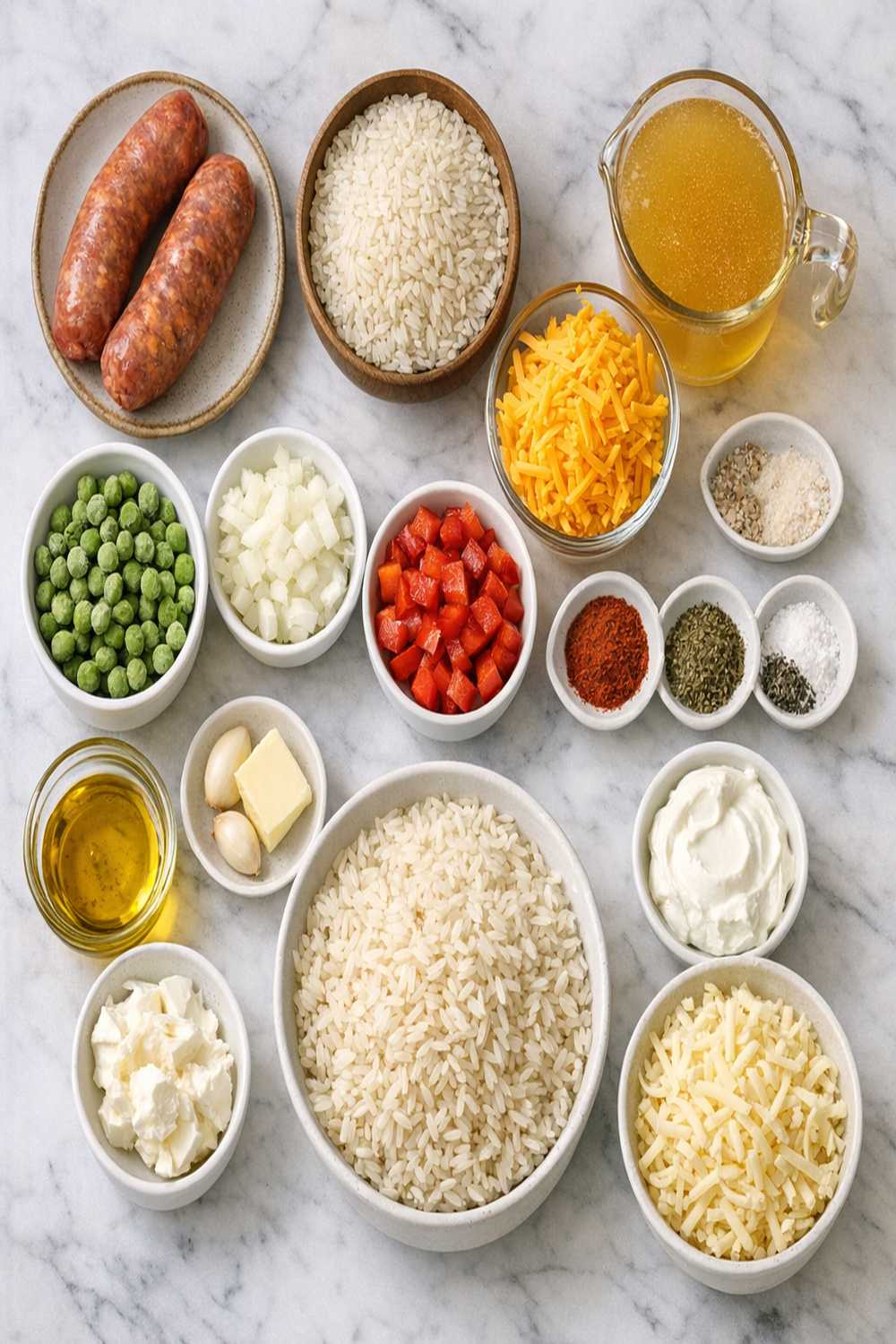
I’ve assembled these ingredients to create layers of flavor and texture—savory, creamy, and deeply satisfying. This recipe makes approximately 6-8 servings depending on portion size, and every ingredient has a specific culinary purpose. Quality matters here, especially your sausage choice and cheese.
- 1 small green bell pepper (sliced thin, adds freshness and mild sweetness)
- ½ cup yellow onion (diced into uniform pieces for even cooking)
- 1¼ cups white long-grain rice (uncooked; arborio works but long-grain stays distinct)
- 10.75 ounces cream of chicken soup (condensed; this is your flavor anchor)
- 2 tablespoons unsalted butter (creates silky texture in the sauce)
- 1 cup sharp cheddar cheese (freshly shredded, not pre-shredded which contains anti-caking agents)
- ¼ teaspoon red pepper flakes (optional; adds subtle heat and depth)
- ½ cup sour cream (full-fat for richest texture and tang)
- 11 ounces Italian sausage (bulk or casing removed; choose spicy or mild based on heat preference)
- ¾ cup whole milk (full-fat creates better body and richness)
- 3 tablespoons extra virgin olive oil (divided for browning and finishing)
- 1 small red bell pepper (sliced thin for quick cooking and visual appeal)
- 2½ cups chicken broth (low-sodium preferred to control salt levels)
- Sea salt and freshly cracked black pepper (to taste, added gradually)
- 2 cloves garlic (minced finely to distribute flavor throughout)
How to Make Cheesy Sausage Rice Recipe?
Follow these steps carefully, and you’ll have a stunning one-pot dinner ready in approximately 35-40 minutes. I’ve developed this technique through professional kitchens and home tests—each step builds on the last to create maximum flavor. Pay attention to the sensory cues; they’re your true guide to doneness.
Step 1: Brown Your Sausage for Deep Flavor Development
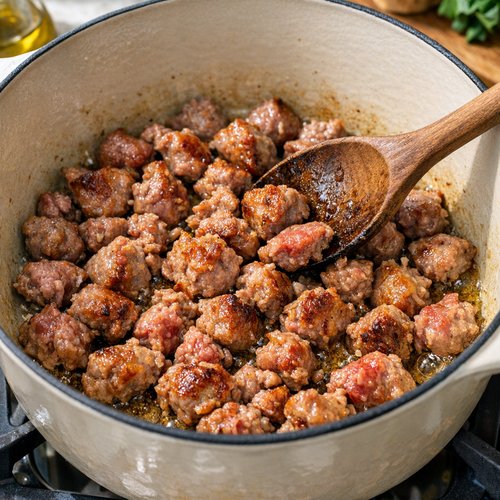
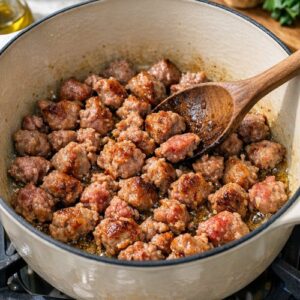
Heat 1½ tablespoons of olive oil in a large Dutch oven or heavy-bottomed pot over medium-high heat for about 1 minute until it shimmers. Add your sausage, breaking it into ½-inch pieces with a wooden spoon as it cooks. You’ll want to hear it sizzle immediately—this is the Maillard reaction beginning, which creates those deeply savory, caramelized flavors.
Cook for 5-7 minutes, stirring occasionally, until the sausage is no longer pink and the edges are distinctly browned. The meat should release its natural oils and the pan should smell incredibly savory. This step is crucial—don’t rush it. Once complete, use a slotted spoon to transfer the sausage to a clean plate, leaving as much fat in the pot as possible.
Step 2: Sauté Your Aromatic Base Until Fragrant
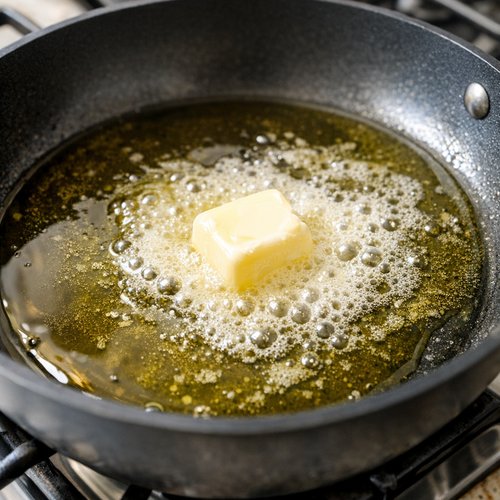
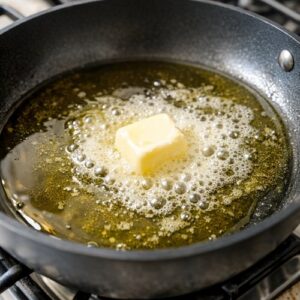
Reduce heat to medium and add the remaining 1½ tablespoons of olive oil along with the butter. Let it melt together for about 30 seconds—you’ll notice the butter adding a nutty undertone to the oil’s richness. Add your diced onion and cook for 3-4 minutes, stirring frequently, until the pieces become translucent at the edges and begin to soften.
This is when you’ll add your minced garlic. Stir constantly for exactly 30-45 seconds—this duration releases the garlic’s aromatic compounds without burning them (burnt garlic tastes bitter and acrid). Your kitchen should smell absolutely incredible at this point.
Step 3: Toast Your Raw Rice to Activate Starches
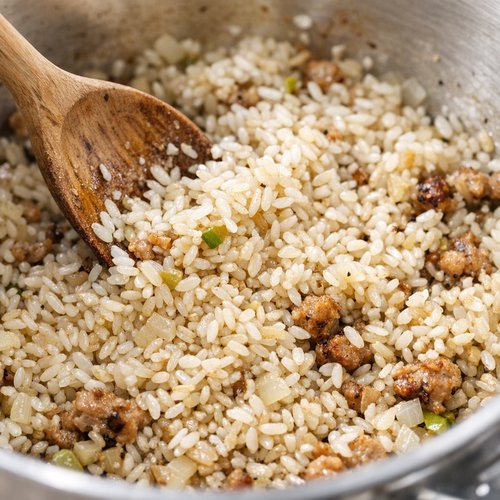
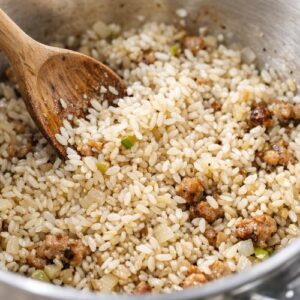
This is a professional technique that’s absolutely transformative. Add your uncooked rice directly to the pot with the aromatics and stir constantly for 2-3 minutes. You’ll see the rice grains become opaque and slightly golden, and you might hear them make soft crackling sounds. This toasting process activates the starches and creates a subtle nutty flavor that elevates the entire dish.
The rice will feel slightly slippery as the heat begins breaking down its exterior. Stop when the grains look opaque rather than translucent, but before they brown—you’re developing flavor, not burning.
Step 4: Deglaze and Build Your Cooking Liquid
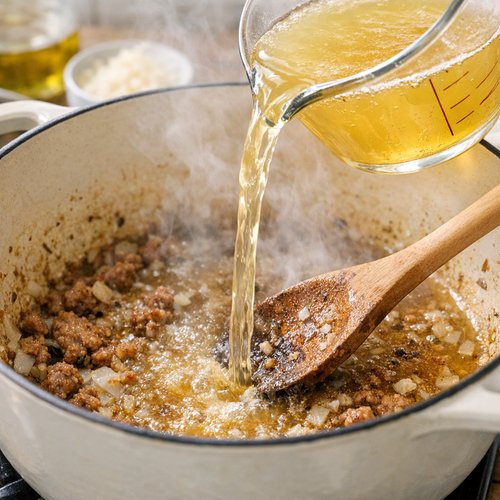
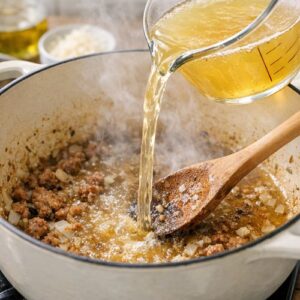
Carefully pour in your chicken broth—it will sizzle and steam as it hits the hot pot. Using a wooden spoon, scrape the bottom of the pot gently, releasing all those golden, flavorful bits stuck to the surface. This is called deglazing, and those browned particles are pure flavor—essential to your final dish.
Stir until the rice is fully submerged in the liquid. The pot will look a bit soupy, but this is exactly right. Return the browned sausage to the pot and stir to distribute evenly. Increase heat to medium-high until you see a gentle boil around the edges—do not let it have a rolling boil, which cooks the rice unevenly.
Step 5: Simmer and Cover to Cook the Rice Through
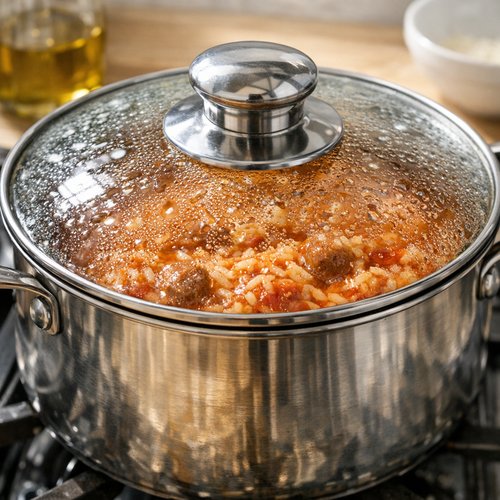
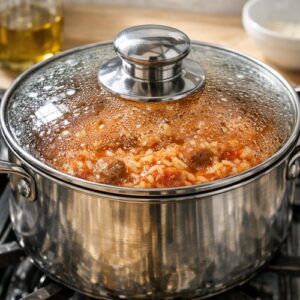
Once your liquid is gently simmering, reduce heat to medium-low and place a lid on the pot (or cover tightly with foil). Set a timer for 18 minutes. During this time, resist the urge to stir—let the rice cook undisturbed so each grain can absorb the liquid evenly and develop properly.
After 18 minutes, remove the lid carefully (steam is hot!) and check the rice. A grain should be fully tender when pressed between your teeth, and the liquid should be almost entirely absorbed. If there’s excess liquid, increase heat to medium for 2-3 minutes with the lid off to evaporate it.
Step 6: Stir in Bell Peppers and Create Your Creamy Sauce
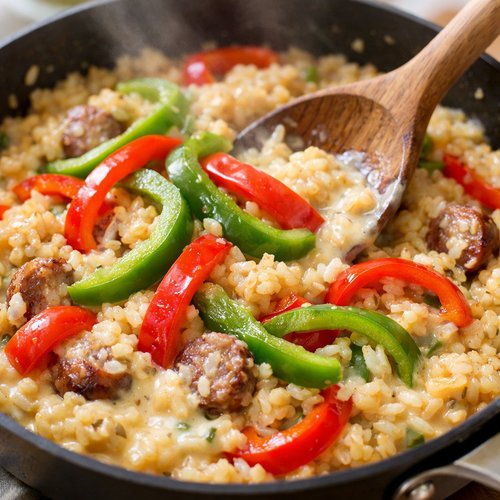
Add your sliced red and green bell peppers directly into the rice. They’ll steam in the residual heat for just the right amount of time—you want them tender-crisp, not mushy. Stir gently to incorporate. In a separate small bowl, whisk together your sour cream, whole milk, and condensed cream of chicken soup until completely smooth and combined.
This whisking step prevents lumps—a common mistake beginners make is dumping the cold sour cream directly in, which can create unpleasant texture. The whisking also allows these ingredients to reach a similar temperature before meeting the hot rice, creating a silky, cohesive sauce.
Step 7: Fold in the Creamy Mixture and Cheese
Pour your creamy mixture into the pot slowly while stirring gently and constantly. This gradual incorporation prevents lumps and ensures even distribution throughout. The pot will seem quite full and loose—this is correct. Cook over medium heat for 2-3 minutes, stirring frequently, until the mixture looks creamy and cohesive rather than separated.
Remove from heat and add your freshly shredded cheddar cheese in two additions, stirring after each addition until completely melted and incorporated. The residual heat will melt the cheese perfectly. Add red pepper flakes if using, then taste and adjust seasoning with salt and fresh cracked pepper—remember, the cream of chicken soup base is salty, so start conservatively.
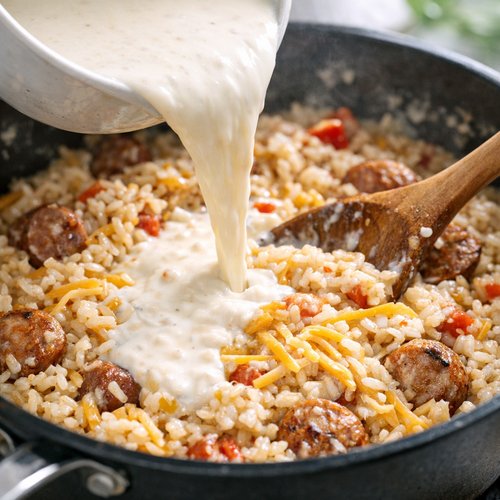
Step 8: Rest and Serve for Maximum Flavor
Let your finished dish rest off heat for 3-5 minutes before serving. This resting period allows the flavors to meld and the texture to set slightly—the cheese will continue binding everything together. The rice should be tender, the sausage distributed throughout, and the sauce should coat each grain without being soupy.
Serve directly from the pot or transfer to a serving dish, using a large spoon to scoop generous portions. The warmth will be maximum when freshly made, so serve immediately to family and friends who are definitely anticipating something delicious.

Expert’s Nutritional Tip
As someone who’s studied food science alongside traditional cooking methods, I’ve learned that the sour cream and milk combination in this recipe creates something quite special nutritionally. The probiotics in sour cream support digestive health, while the casein proteins in both dairy components form a more complete amino acid profile when paired with the protein-rich sausage. The rice provides essential B vitamins and manganese, making this a surprisingly balanced one-pot meal. The fat content—from sausage, butter, and dairy—isn’t something to fear; it aids absorption of fat-soluble vitamins and creates satiety that keeps you satisfied for hours.
Tips and Tricks
- Choose Quality Sausage Thoughtfully – The sausage is your star ingredient. I prefer Italian bulk sausage because it’s designed to be crumbled and cooks evenly. Look for sausage with visible herbs and meat texture, not filler. Spicy varieties add wonderful heat; mild works beautifully too. Check your local butcher counter for freshest options.
- Don’t Skip the Rice Toasting Step – This single technique transforms your dish from good to exceptional. The nutty flavor created during toasting is subtle but noticeable, adding sophistication your family will taste but perhaps not identify.
- Use Fresh-Shredded Cheese Only – Pre-shredded cheddar contains anti-caking agents that prevent silky melting. Fresh-shredded cheese creates a genuinely creamy sauce. Spend the extra 2 minutes shredding your own; the difference is remarkable.
- Taste Constantly as You Season – The cream of chicken soup base is already salted, and sausage adds salt too. Season gradually and taste before adding more. Many home cooks over-salt this dish without realizing the base ingredients already provide plenty.
- Rice Package Guidance Is Your Best Friend – White long-grain rice cooking times vary by brand and altitude. Before you begin, check your rice package for exact cooking liquid ratios and times. I’ve written this recipe for standard varieties, but your specific rice might need slight adjustments.
- Create Depth with Sautéed Aromatics – The onion and garlic aren’t just vegetables; they’re building blocks of flavor. Don’t skip this step or rush it. Caramelized onions and properly bloomed garlic create a foundation that elevates everything else.
Make-Ahead Guide: Strategic Meal Prep
I developed this guide through years of meal planning for busy families and professionals. You can prep components up to 2 days ahead, making final assembly incredibly quick on busy evenings.
Two Days Before: Brown your sausage completely, cool, and store in an airtight container in the refrigerator. Dice your onion and bell peppers, placing them in separate containers. Mince your garlic (though know it’s most aromatic when freshly minced).
One Day Before: Measure your rice, broth, and all other ingredients into labeled containers. This 10-minute task means you’re literally just assembling on cooking day.
Cooking Day: Follow the full recipe from Step 1, or skip straight to Step 2 if your sausage is already cooked—just add it at the appropriate time. Your total hands-on time becomes approximately 20 minutes instead of 40.
Storage of Prepped Components: Cooked sausage keeps 3-4 days refrigerated. Diced vegetables keep 2-3 days in sealed containers. Raw rice and measured liquids keep indefinitely in a cool, dry cupboard.
Common Mistakes to Avoid
- Stirring the Rice During Cooking – This is the number one mistake I witness. When you stir rice while it simmers, you release starch into the liquid, creating a gloppy, mushy texture instead of distinct grains. Trust the process and keep that lid on without peeking.
- Using Pre-Shredded Cheese – As mentioned earlier, the anti-caking agents in store-bought shredded cheese prevent proper melting. You’ll end up with visible strings and a somewhat grainy texture instead of silky sauce. This is a common shortcut that absolutely impacts your final result.
- Overcrowding the Pan When Browning Sausage – If your pot is too full with sausage, the meat steams instead of browning. Break sausage into smaller pieces and cook in batches if necessary. Proper browning creates those caramelized flavors essential to the dish.
- Skipping the Deglazing Step – Those browned bits on the pot bottom contain incredible umami flavor. Skipping deglazing means leaving flavor on the table. Always scrape and incorporate those bits.
Seasonal Variations: Adapting Year-Round
Over my years developing recipes globally, I’ve learned how seasons influence ingredient choice and flavor intensity. This flexible dish adapts beautifully to seasonal produce.
Spring Version: Replace one bell pepper with fresh peas and add fresh dill or tarragon toward the end of cooking. The brightness of spring herbs complements the rich cheese beautifully.
Summer Version: Add corn kernels along with your bell peppers. Use a lighter hand with cream, substituting ½ cup of the milk with white wine or additional chicken broth. Add fresh basil just before serving for herbaceous freshness.
Fall Version: Include roasted butternut squash cubes instead of one bell pepper, and add sage or thyme. The sweetness of squash against savory sausage is autumn perfection.
Winter Version: This is when the dish truly shines in its original form. Consider adding roasted carrots or mushrooms for earthiness. The richness feels particularly comforting when temperatures drop.
Can I Store Cheesy Sausage Rice Recipe?
Yes, this dish stores beautifully, though the texture changes slightly as it sits. Refrigerator Storage: Transfer cooled leftovers to an airtight container and refrigerate for up to 3-4 days. The rice will continue absorbing sauce, creating a slightly thicker consistency—this is normal and actually quite pleasant.
Reheating Instructions: Reheat gently in a covered pot over medium-low heat, stirring occasionally and adding a splash of milk or broth to restore creaminess if needed. Alternatively, reheat covered in a 350°F oven for 15-20 minutes until heated through. Microwaving works in a pinch—use 50% power in 2-minute intervals, stirring between each, though it’s less gentle than stovetop.
Freezer Storage: This dish freezes well for up to 2 months in freezer-safe containers. Freeze in individual portions for easy weeknight defrosting. Thaw overnight in the refrigerator, then reheat using the methods above, adding a bit more liquid since freezing affects moisture.
Pro Tip: Slightly undercook the rice initially if you plan freezing—it will continue softening as it freezes and thaws, preventing mushiness.
Nutrition Information
Based on USDA nutritional databases and professional analysis, each serving (approximately ⅙th of the recipe) contains approximately 520 calories, 28 grams protein, 32 grams fat, and 38 grams carbohydrates. This breakdown reflects the combination of sausage protein, dairy fat, and rice carbohydrates.
Key Nutrients: The dish provides substantial calcium from cheese and dairy (approximately 30% daily value), significant B vitamins from sausage and rice, and iron from the meat. Sodium content is moderate to high due to sausage, soup, and cheese—approximately 45% of daily recommended intake per serving.
If you’re monitoring sodium, use low-sodium chicken broth and reduced-sodium cream of chicken soup, which significantly reduces overall salt content without compromising flavor. The sausage and cheese will still provide savory depth.
What Can I Serve With Cheesy Sausage Rice Recipe?
This is a complete one-pot meal, but it truly shines with thoughtful accompaniments that balance its richness. The creamy, savory nature of the dish calls for bright, acidic, or refreshing sides that cut through the richness and cleanse the palate.
- Apple Cider Vinegar Coleslaw – The acidity and crunch of Apple Cider Vinegar Coleslaw Recipe is absolutely perfect alongside this cheesy rice. The brightness cuts through the richness beautifully, and the crunch provides textural contrast.
- Roasted Green Vegetables – Crispy roasted Baby Carrots In The Oven or simple broccoli with garlic provides nutritional balance and adds earthiness to complement the cheese.
- Simple Green Salad – Mixed greens with a bright vinaigrette offer freshness and acidity. Nothing fancy needed; let the vinaigrette shine.
- Crispy Bread or Garlic Toast – A crusty bread for soaking up extra sauce is never wrong. Garlic bread feels indulgent but appropriate with this rich dish.
- Steamed or Roasted Asparagus – Its slightly bitter edge balances the sweet and savory notes of the rice beautifully.
- Pickled Vegetables or Pickles – The acidic crunch cleanses the palate between bites and complements the cheese wonderfully.
Substitutes
- Different Sausage Varieties – Fennel-forward Italian sausage is traditional, but chorizo adds Spanish spice, andouille creates Louisiana character, or chicken sausage reduces fat content while maintaining protein. Each creates a distinctly different dish, so choose based on your flavor preference.
- Rice Alternatives – Arborio rice creates a creamier, risotto-like consistency due to higher starch content. Jasmine rice adds subtle floral notes. Brown rice requires additional cooking liquid and time but adds nuttiness and fiber. Orzo pasta works beautifully if you skip the rice cooking method—add it to boiling broth and cook according to package directions.
- Cheese Variations – Gruyère creates earthier, more complex flavor. Smoked cheddar adds depth and smokiness. A blend of cheddar and Parmesan creates more interesting flavor layers. White cheddar is milder if you prefer subtlety.
- Cream Substitutions – Greek yogurt replaces sour cream (adds tang with less fat). Half-and-half replaces milk (richer). Evaporated milk creates similar texture with different mouthfeel. Heavy cream replaces milk for maximum richness, though the dish becomes quite heavy.
- Soup Base Swap – Cream of mushroom creates earthiness. Cream of celery adds subtle vegetable notes. Homemade stock with a roux base replaces condensed soup for scratch cooking, though it requires additional preparation.
- Vegetable Additions – Mushrooms, zucchini, carrots, or corn all work beautifully. Add heartier vegetables at the beginning with aromatics; tender vegetables (like peas) go in near the end.

Cheesy Sausage Rice Recipe
Ingredients
Method
- Heat 1½ tablespoons of olive oil in a large Dutch oven or heavy-bottomed pot over medium-high heat for about 1 minute until it shimmers. Add your sausage, breaking it into ½-inch pieces with a wooden spoon as it cooks. You'll want to hear it sizzle immediately—this is the Maillard reaction beginning, which creates those deeply savory, caramelized flavors. Cook for 5-7 minutes, stirring occasionally, until the sausage is no longer pink and the edges are distinctly browned. The meat should release its natural oils and the pan should smell incredibly savory. This step is crucial—don't rush it. Once complete, use a slotted spoon to transfer the sausage to a clean plate, leaving as much fat in the pot as possible.
- Reduce heat to medium and add the remaining 1½ tablespoons of olive oil along with the butter. Let it melt together for about 30 seconds—you'll notice the butter adding a nutty undertone to the oil's richness. Add your diced onion and cook for 3-4 minutes, stirring frequently, until the pieces become translucent at the edges and begin to soften. This is when you'll add your minced garlic. Stir constantly for exactly 30-45 seconds—this duration releases the garlic's aromatic compounds without burning them (burnt garlic tastes bitter and acrid). Your kitchen should smell absolutely incredible at this point.
- This is a professional technique that's absolutely transformative. Add your uncooked rice directly to the pot with the aromatics and stir constantly for 2-3 minutes. You'll see the rice grains become opaque and slightly golden, and you might hear them make soft crackling sounds. This toasting process activates the starches and creates a subtle nutty flavor that elevates the entire dish. The rice will feel slightly slippery as the heat begins breaking down its exterior. Stop when the grains look opaque rather than translucent, but before they brown—you're developing flavor, not burning.
- Carefully pour in your chicken broth—it will sizzle and steam as it hits the hot pot. Using a wooden spoon, scrape the bottom of the pot gently, releasing all those golden, flavorful bits stuck to the surface. This is called deglazing, and those browned particles are pure flavor—essential to your final dish. Stir until the rice is fully submerged in the liquid. The pot will look a bit soupy, but this is exactly right. Return the browned sausage to the pot and stir to distribute evenly. Increase heat to medium-high until you see a gentle boil around the edges—do not let it have a rolling boil, which cooks the rice unevenly.
- Once your liquid is gently simmering, reduce heat to medium-low and place a lid on the pot (or cover tightly with foil). Set a timer for 18 minutes. During this time, resist the urge to stir—let the rice cook undisturbed so each grain can absorb the liquid evenly and develop properly. After 18 minutes, remove the lid carefully (steam is hot!) and check the rice. A grain should be fully tender when pressed between your teeth, and the liquid should be almost entirely absorbed. If there's excess liquid, increase heat to medium for 2-3 minutes with the lid off to evaporate it.
- Add your sliced red and green bell peppers directly into the rice. They'll steam in the residual heat for just the right amount of time—you want them tender-crisp, not mushy. Stir gently to incorporate. In a separate small bowl, whisk together your sour cream, whole milk, and condensed cream of chicken soup until completely smooth and combined. This whisking step prevents lumps—a common mistake beginners make is dumping the cold sour cream directly in, which can create unpleasant texture. The whisking also allows these ingredients to reach a similar temperature before meeting the hot rice, creating a silky, cohesive sauce.

- Pour your creamy mixture into the pot slowly while stirring gently and constantly. This gradual incorporation prevents lumps and ensures even distribution throughout. The pot will seem quite full and loose—this is correct. Cook over medium heat for 2-3 minutes, stirring frequently, until the mixture looks creamy and cohesive rather than separated. Remove from heat and add your freshly shredded cheddar cheese in two additions, stirring after each addition until completely melted and incorporated. The residual heat will melt the cheese perfectly. Add red pepper flakes if using, then taste and adjust seasoning with salt and fresh cracked pepper—remember, the cream of chicken soup base is salty, so start conservatively.

- Let your finished dish rest off heat for 3-5 minutes before serving. This resting period allows the flavors to meld and the texture to set slightly—the cheese will continue binding everything together. The rice should be tender, the sausage distributed throughout, and the sauce should coat each grain without being soupy. Serve directly from the pot or transfer to a serving dish, using a large spoon to scoop generous portions. The warmth will be maximum when freshly made, so serve immediately to family and friends who are definitely anticipating something delicious.

Nutrition
Notes
Tried this recipe?
Let us know how it was!FAQs
Can I Make This Recipe With Brown Rice or Whole Grains?
Absolutely, though it requires adjustment. Brown rice needs approximately 2¾ cups broth instead of 2½ cups, and cooking time increases to 25-30 minutes instead of 18 minutes. The result is nuttier and more fiber-rich, with a slightly firmer texture. The cooking liquid becomes essential because brown rice absorbs more liquid. Check your specific brown rice package for guidance, as varieties vary. The overall dish becomes slightly earthier with brown rice—I particularly love it with sage or thyme additions.
What’s the Best Type of Sausage for This Recipe?
Bulk Italian sausage—either hot or mild—is traditional and ideal. It’s specifically designed to be crumbled and browns beautifully. If using sausage links, remove them from casings first. Avoid very lean sausages (less than 20% fat), which won’t provide enough flavor-carrying oils. Quality matters significantly; visit a butcher counter if possible rather than relying on supermarket pre-packaged sausage. The better your sausage, the better your final dish. I typically use hot Italian sausage for balanced spice, but mild works if you prefer less heat.
Can This Recipe Be Made in a Slow Cooker?
Yes, with modifications. Brown your sausage in a skillet first (don’t skip this step—it’s essential for flavor), then combine all ingredients except the cheese in your slow cooker on LOW for 3-4 hours or HIGH for 1.5-2 hours. Rice should be completely tender and liquid nearly absorbed. Stir in your cheese mixture during the last 15 minutes of cooking on HIGH. This method works but creates slightly softer rice texture and less crispy sausage edges—I recommend the stovetop method when possible, but slow cooker definitely works for convenience.
How Do I Prevent the Cheese from Breaking or Getting Grainy?
This is a common issue, and the solution is temperature control. Never add cold cheese to extremely hot liquid. Whisking your sour cream, milk, and soup mixture before adding ensures they’re closer to the pot’s temperature. When adding cheese, remove the pot from direct heat first, then add in batches while stirring gently. Never let the pot come to a boil after cheese is added—just stir until melted over gentle residual heat. If you accidentally end up with separated sauce, add a tablespoon of fresh sour cream and stir vigorously off heat; it often comes back together beautifully.
Can I Make This Recipe Dairy-Free?
It’s challenging but possible. Replace butter with olive oil, sour cream with cashew cream (soaked cashews blended with vegetable broth and lemon juice), milk with unsweetened oat or almond milk, and cheddar with nutritional yeast or cashew-based cheese. The cream of chicken soup is typically not dairy-free; use a homemade stock-based sauce instead. The result will be less creamy and rich than the original, but absolutely edible and flavorful. I recommend this substitution primarily for those with true dairy allergies rather than preference, as the richness and mouth-feel will differ noticeably.
More Recipes You’ll Love
- Alfredo Parmesan Chicken – Another creamy, satisfying weeknight dinner with similar comforting qualities and equally simple execution.
- Alice Springs Chicken Sauce – Combines similar creamy and savory elements with bacon and mushrooms for a different take on comfort cooking.
- Bacon Cheddar Dip – Shares the cheesy, bacon-forward flavors and works beautifully as an appetizer when entertaining alongside your main course.
Final Thoughts: A Dish Worth Making Again and Again
This cheesy sausage rice recipe is exactly what I reach for when I want my family and friends to feel genuinely nourished and celebrated around the table. It’s the kind of dish that works equally well for casual Tuesday dinners or feeding a crowd for Sunday supper. The beauty lies in its complete honesty—no pretension, just delicious, straightforward comfort.
Through my years developing recipes across continents, I’ve learned that the most beloved dishes are those that combine ease with genuine flavor. This recipe delivers both. The technique is forgiving, the ingredients are accessible, and the result is absolutely reliable.
I encourage you to make this tonight, invite people you love, and create a moment around good food. Make notes about your adjustments—did you prefer your sausage spicy or mild? Did you love one vegetable addition more than another? Your version will become uniquely yours, and that’s exactly how recipes should evolve. Enjoy!