
This post contains affiliate links. As an Amazon Associate I earn from qualifying purchases.
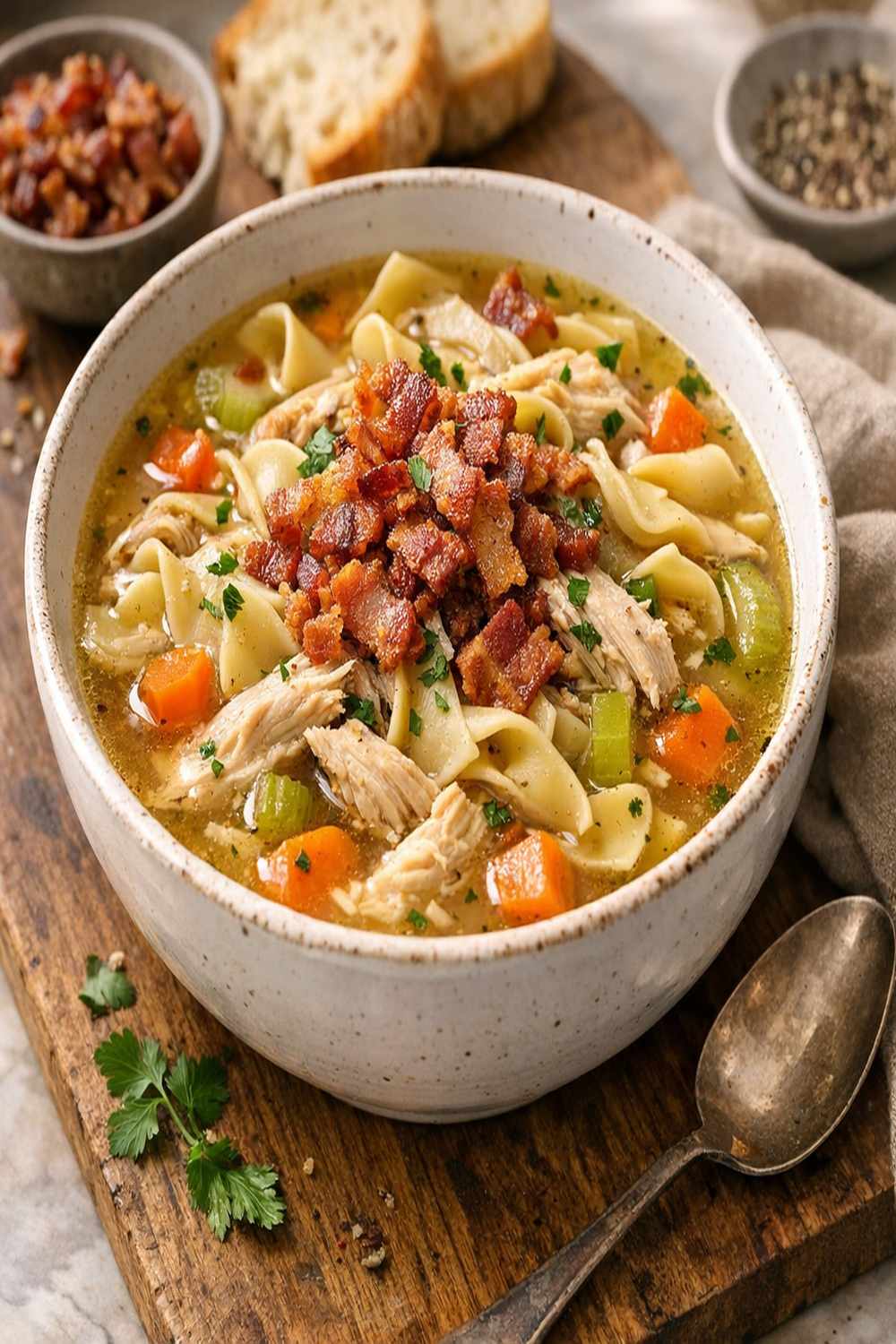
Before you throw those leftovers away, turn them into something even better. This Chicken Noodle Soup With Bacon Recipe was born from exactly that moment—the kind of happy accident that happens when you’re staring at the fridge on a Tuesday night, wondering what to do with yesterday’s roasted chicken and half a package of bacon. I grew up watching my grandmother transform yesterday’s dinner into today’s masterpiece, never wasting a thing while somehow making each meal taste more exciting than the last. That philosophy stuck with me, and it’s what inspired this soul-warming bowl of pure comfort. If you’re looking for ways to maximize what’s already in your kitchen, check out our this cozy soup for another incredible leftover transformation.
How to Turn Last Night’s Leftovers Into the Best Chicken Noodle Soup With Bacon Recipe
I’ll never forget the evening this recipe truly came together. My family was gathered around the kitchen table, and I had just enough cooked chicken from Sunday’s roast, some crispy bacon left over from breakfast, and a handful of vegetables that needed using. Rather than making something ordinary, I decided to elevate the humble chicken noodle concept with rich, savory bacon, sharp cheddar cheese, and a creamy ranch-infused broth. What emerged from that pot was pure magic—a soup so comforting and sophisticated that my mother asked for the recipe before she’d even finished her first bowl. That’s when I realized this wasn’t just a way to use leftovers; it was a dish worth making intentionally, again and again.
What Leftovers Work Best
The beauty of this transformation lies in its flexibility. Not all leftovers are created equal, though, so let me guide you toward the ones that will make this soup sing and away from the ones that might hold it back.
- Roasted or grilled chicken – This is your MVP here. Whether it’s from a rotisserie bird, last night’s dinner, or leftover poached chicken, it brings deep, developed flavor that boiled chicken simply cannot match. The more flavorful your chicken base, the more complex your final soup becomes.
- Breakfast bacon – Crispy, already cooked bacon is perfect for this transformation. The rendered fat and smoky notes elevate every single spoonful. Save those bacon drippings too—they’re liquid gold for sautéing your vegetables.
- Roasted vegetables – Slightly caramelized carrots, celery, and onions from last night’s dinner add depth and sweetness that raw vegetables simply cannot provide. They’ll soften further during the simmering process, creating a silky mouthfeel.
- Vegetable scraps (avoid) – Wilted lettuce, mushy tomatoes, or overly soft vegetables should find their way into a stock pot for broth-making, not into this finished soup. They’ll turn mushy and create an unpleasant texture. Save them for your next stock project instead.
The Transformation Pantry: What to Keep on Hand
The secret to turning everyday leftovers into restaurant-quality comfort food lies in what I call “bridge ingredients”—those pantry staples that connect your leftovers to something greater. These are the items that transform rather than mask, that amplify rather than hide. Having these always stocked means you’re never more than thirty minutes away from a soul-satisfying meal.
Low-sodium chicken broth is your foundation, creating the savory base that carries all your flavors forward. Condensed cream of chicken soup adds richness and body without requiring hours of simmering. A good quality ranch seasoning mix (look for ones with real herbs, not just salt) provides the herbal backbone that makes people ask “what’s your secret?” Half-and-half creates that luxurious mouthfeel that turns simple broth into something indulgent. Sharp cheddar cheese adds umami depth and a subtle tang that brightens the entire bowl. Quality olive oil is non-negotiable—it’s how you build flavor from the very first step. And long pasta like spaghetti breaks down slightly during cooking, creating little pockets of creamy sauce that make every bite satisfying.
The Ingredients – Leftovers + Bridge Ingredients
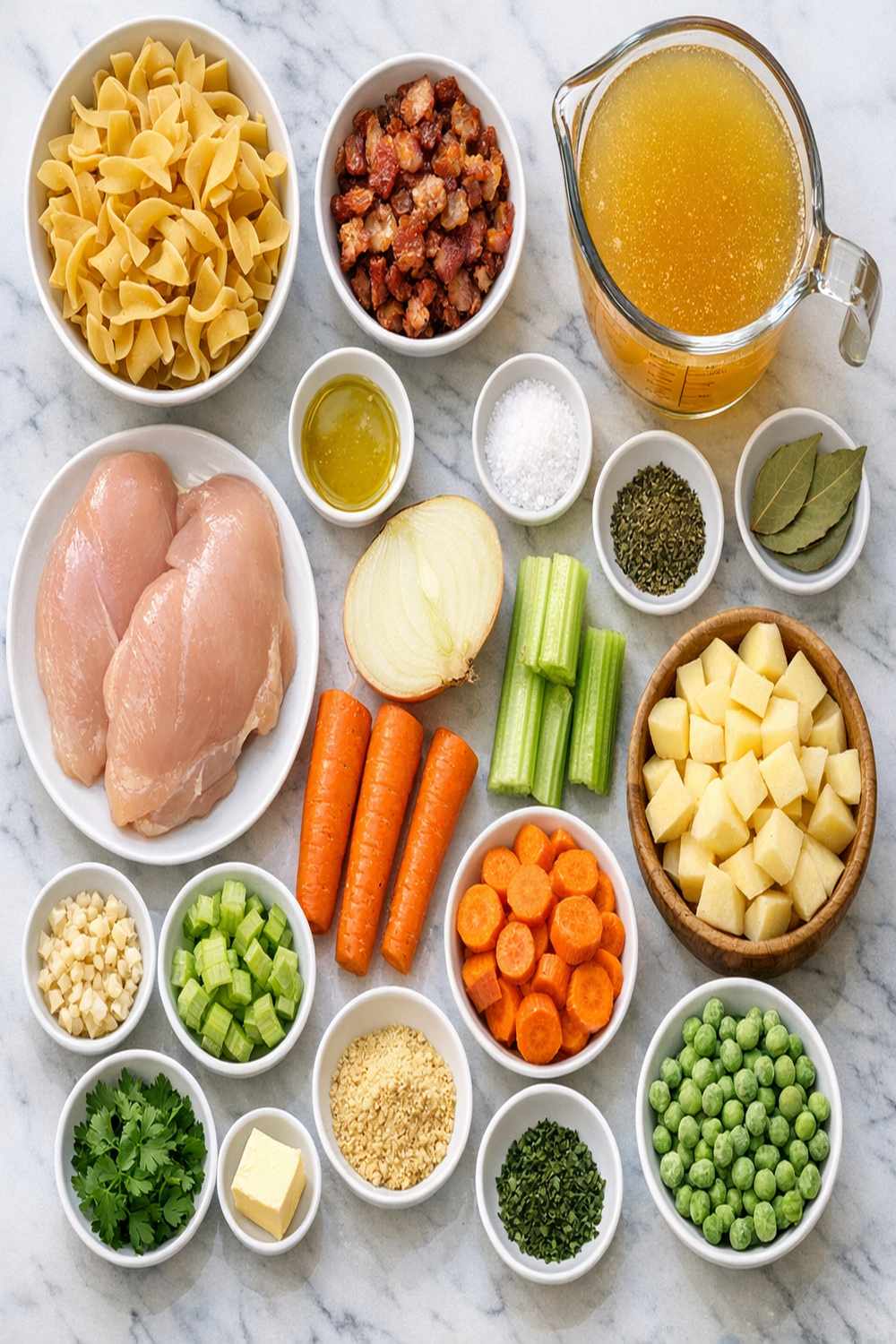
What I love most about this recipe is how it celebrates resourcefulness without sacrificing flavor or elegance. Each ingredient here serves a specific purpose in the transformation, whether it’s reviving yesterday’s protein, adding textural contrast, or building layers of savory depth. This makes approximately 6 generous servings—perfect for a family dinner with leftovers for lunch the next day.
- 3 cups cooked chicken, chopped (leftover roasted, grilled, or poached)
- 8 slices bacon, cooked and crumbled (breakfast leftovers work perfectly)
- 1 (32 oz.) package low-sodium chicken broth (this is your savory foundation)
- 1 (1 oz.) package dry ranch seasoning mix (the secret umami boost)
- 1 cup sharp cheddar cheese, grated (aged for deeper flavor)
- 1 (10.75 oz.) condensed cream of chicken soup (adds silky richness)
- 2 carrots, diced (fresh or leftover roasted)
- 8 oz. spaghetti noodles, uncooked (long pasta breaks into perfect bite-sized pieces)
- 2 tablespoons olive oil (extra virgin for maximum flavor)
- 2 stalks celery, diced (adds subtle herbaceous notes)
- 1 cup half-and-half (full-fat creates a silkier mouthfeel)
- ½ yellow onion, diced (fresh is best here for structure)
- Kosher salt and freshly ground black pepper, to taste (for final seasoning)
The Transformation: How to Make Chicken Noodle Soup With Bacon Recipe From Leftovers
Here’s where the alchemy happens. Watch how simple ingredients transform into something that tastes like it simmered all day, when really it comes together faster than you’d believe. The key is understanding how heat, timing, and technique work together to build layers of flavor and texture that make every spoonful feel intentional and luxurious.
Step 1: Revive Your Aromatics With Heat and Fat
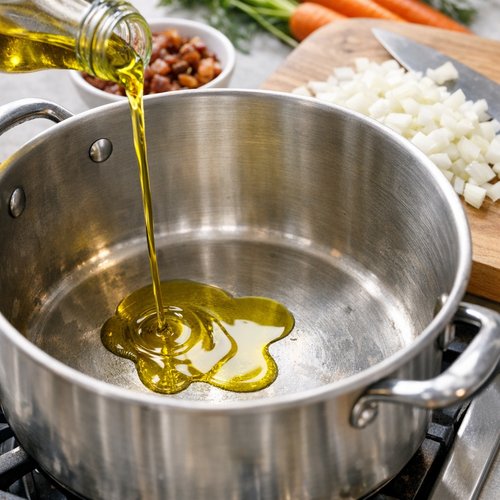
Pour 2 tablespoons of quality olive oil into a large, heavy-bottomed stockpot and set it over medium-high heat. While the oil is warming, dice your onion, carrots, and celery into pieces about the size of a dime—this size ensures they’ll cook through in the time it takes the broth to come to a gentle simmer, and they’ll break down slightly during cooking, releasing their sweetness directly into the broth. Once the oil shimmers (this takes about 2 minutes), add all three vegetables at once and stir immediately. This is crucial: the sudden contact between cool vegetables and hot oil creates a reaction that begins drawing out their natural sugars. Cook, stirring frequently, for 4-5 minutes until the onion becomes translucent at the edges and the carrots begin to soften slightly. You should see light browning on the edges of some carrot pieces—this is exactly what you want. Season generously with kosher salt and freshly ground black pepper at this stage. Salt pulls water from the vegetables, which helps them soften and seasons them deeply.
Step 2: Build Depth With the Ranch Seasoning
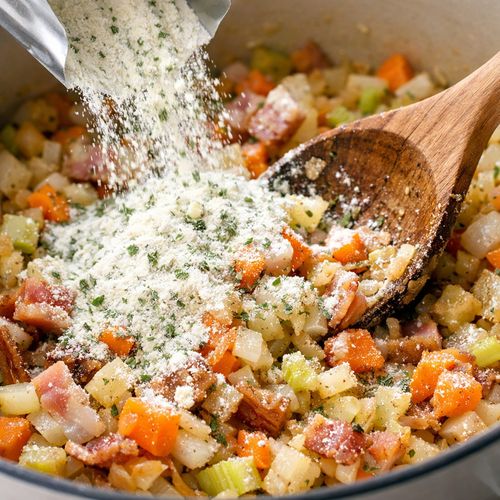
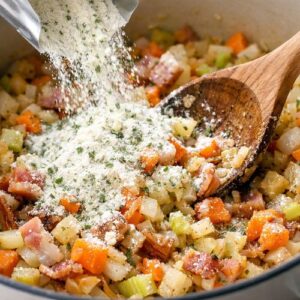
Sprinkle the entire 1 oz. package of dry ranch seasoning mix over your softened vegetables and stir constantly for exactly 1 minute. This step is so important that I want to explain the science: the heat is blooming the herbs and spices, releasing their volatile oils and transforming them from dusty powder into aromatic flavor compounds. You’ll smell the difference immediately—suddenly your kitchen smells like an herbaceous, savory restaurant kitchen. This bloom step is what separates home cooking from professional cooking. Don’t skip it, and don’t extend it beyond 1 minute or the spices will begin to burn.
Step 3: Build Your Savory Foundation
Add the entire 32 oz. package of low-sodium chicken broth and the 10.75 oz. can of condensed cream of chicken soup directly to the pot. Stir thoroughly to combine everything, paying special attention to the bottom of the pot where some of the ranch seasoning may have begun to caramelize. These flavorful browned bits (called fond) are packed with umami, and incorporating them fully ensures every spoonful of soup carries that depth. Bring the mixture to a rolling boil over medium-high heat—this should take about 5-7 minutes. You’ll notice the broth becoming slightly opaque as the cream soup disperses; this is perfect.
Step 4: Add the Pasta and Proteins
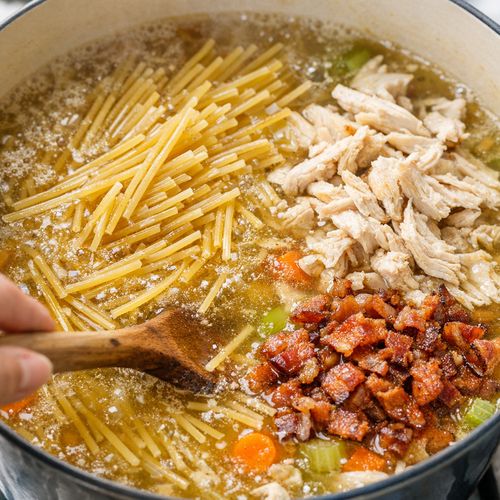
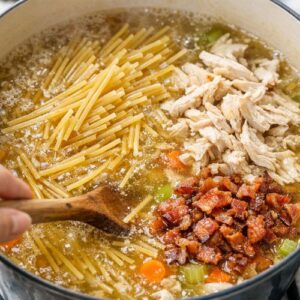
Once your broth is boiling, break the 8 oz. of spaghetti noodles in half and add them directly to the pot, stirring immediately to prevent sticking. Within seconds, add your 3 cups of chopped cooked chicken and 8 slices of crumbled bacon. Stir everything together thoroughly, ensuring the pasta is submerged and the chicken and bacon are evenly distributed. The pasta will initially sink, then begin to float as it hydrates—this is normal. Reduce the heat to low (medium-low if your stove runs hot) and simmer uncovered for exactly 15 minutes. This timing is critical: spaghetti typically takes about 10 minutes to cook through, but in this broth environment with the added ingredients, it needs the full 15 minutes to become tender but not mushy. The vegetables will finish softening, and flavors will marry beautifully.
Step 5: Add the Creamy Finish
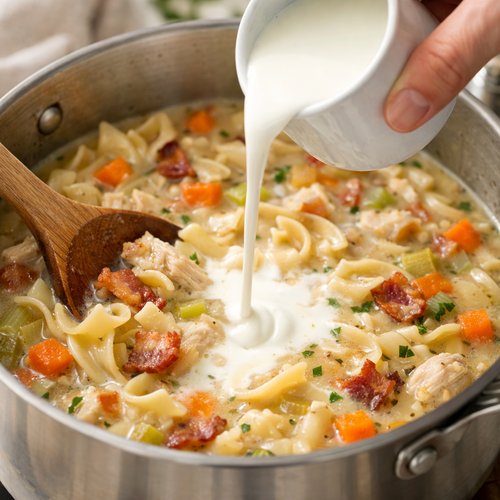
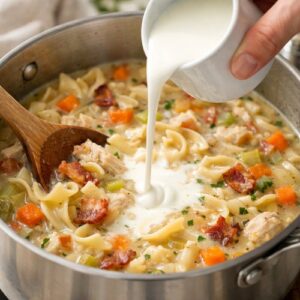
After 15 minutes of simmering, taste a noodle to confirm it’s tender. Remove the pot from heat (this is important—you’re about to add dairy, and you want to avoid any risk of curdling, though the low temperature makes this unlikely). Stir in the 1 cup of grated sharp cheddar cheese, adding it gradually and stirring constantly until completely melted and incorporated. The residual heat will melt it beautifully without requiring additional cooking. Once the cheese is completely smooth, pour in the 1 cup of half-and-half while stirring gently. Stir until everything is perfectly combined and creamy, about 1-2 minutes. Taste your soup and adjust seasoning with additional kosher salt and freshly ground black pepper as needed. Remember that the cheese and seasoning mix already contain salt, so taste before adding more.
Step 6: The Final Rest (Optional but Recommended)
Return the pot to the lowest heat setting and let it sit for 3-5 minutes without stirring. This resting period allows the flavors to settle and meld further, and it gives the noodles time to fully hydrate and reach peak tenderness. The soup will also thicken slightly as it rests, as the pasta releases starch into the broth. Ladle into bowls and serve immediately, garnishing with additional crumbled bacon or fresh chives if desired.
How to Adapt Based on What You Have
- If you have fresh spinach or kale – Add 2 cups of roughly chopped greens in the last 2 minutes of cooking. They’ll wilt into the soup, adding nutrition and a subtle earthy note that complements the bacon beautifully.
- If you don’t have condensed cream of chicken soup – Increase the half-and-half to 1½ cups and add an extra tablespoon of butter in Step 3. You’ll lose some of the soup’s body, but it’ll still be delicious and perhaps even lighter.
- If your bacon is still raw – Cook it until deeply crispy before the recipe begins. Don’t skip this step; raw bacon in soup creates an off-putting texture and incomplete flavor. Crispy bacon contributes rendered fat and concentrated smoky notes.
- If you prefer a brothier consistency – Add an extra 1-2 cups of low-sodium chicken broth in Step 3, before the pasta. The extra liquid will prevent the soup from becoming too thick as the pasta cooks.
- If your leftover chicken is dry – Add it in Step 5 instead of Step 4, letting it warm gently in the creamy broth for just 2-3 minutes. This prevents overcooking and helps rehydrate it slightly.
- If you want to make this vegetarian – Replace the chicken with 2 cups of white beans and substitute vegetable broth for chicken broth. Replace the bacon with crispy tempeh strips or smoked paprika-seasoned chickpeas for that smoky element.
Zero Waste: Using Every Last Bit
This recipe is already a zero-waste champion—you’re using leftovers that might otherwise be discarded. But let’s take it a step further. Those bacon drippings I mentioned? Save them in a small glass jar in your refrigerator. They’re liquid magic for future cooking, adding richness to vegetable sautés, popcorn, or roasted potatoes. Any leftover soup you make can be frozen in individual portions for up to three months, making it a perfect emergency meal. The broth from that final bowl can go into a container and become the base for your next stock or soup. Even if you have wilted vegetables from your crisper drawer, throw them into the pot before straining—they’ll infuse the broth with additional flavor and nutrients. Nothing needs to be wasted in a resourceful kitchen.
Can I Store Chicken Noodle Soup With Bacon Recipe?
Absolutely, and here’s what you need to know. Since this soup contains cooked protein and already-cooked vegetables, it’s technically day-two-plus food from the moment it’s made. Store it in an airtight container in the refrigerator for up to 3 days. The pasta will continue to absorb broth as it sits, making the soup thicker and more stew-like—this is actually delicious and means the flavors develop further during storage. If you prefer a brothier consistency when reheating, add a splash of chicken broth or water. To reheat, transfer to a pot and warm gently over medium heat, stirring occasionally, for about 5-7 minutes until steaming throughout. Never boil a cream-based soup vigorously, as this can cause the dairy to break.
For longer storage, you can freeze this soup for up to 3 months, though the texture of the pasta will change slightly—it becomes softer and more absorbed into the broth, which many people actually prefer. Freeze in individual portions for easy future meals. To thaw, move it to the refrigerator overnight, then reheat gently on the stove. I don’t recommend thawing at room temperature due to food safety concerns with the cooked chicken and dairy.
Expert’s Nutritional Insight
What fascinates me most about this soup from a nutritional standpoint is how the combination of ingredients creates something genuinely nourishing, not just comforting. The cooked chicken provides complete protein with all nine essential amino acids, making it a meal that truly satisfies hunger at a cellular level. The bacon—while rich—contributes selenium and B vitamins, plus those flavorful compounds (like smoke polyphenols) that research suggests have antioxidant properties. The vegetables contribute fiber and micronutrients, while the sharp cheddar provides bioavailable calcium and fat-soluble vitamins that your body can actually absorb and use. This isn’t indulgent eating that comes at the expense of nutrition; it’s nourishing food that happens to taste like comfort.
Nutrition Information
Per serving (approximately 1.5 cups), this recipe provides roughly 520 calories, 28g protein, 32g carbohydrates, 28g fat, and 3g fiber, based on USDA nutritional databases. The sodium content is approximately 1,050mg per serving, primarily from the broth and ranch seasoning (using low-sodium varieties keeps this reasonable). This is a hearty, complete meal that contains protein, vegetables, whole-grain carbohydrates from pasta, and healthy fats. The half-and-half provides conjugated linoleic acid (CLA), a compound some research suggests may have anti-inflammatory properties. If you’re watching sodium intake, use no-salt-added broth and homemade ranch seasoning blend, which can reduce sodium by roughly 30%.
What to Serve With Chicken Noodle Soup With Bacon Recipe?
This soup is rich, creamy, and deeply savory, so it pairs beautifully with bright, fresh accompaniments that provide contrast without competing for attention. A simple green salad with lemon vinaigrette cuts through the richness perfectly, while crusty bread for dipping transforms this into a complete, casual meal. Fresh vegetables on the side—like Baby Carrots In The Oven—provide textural contrast and a refreshing element. Consider these pairings:
- Crisp mixed green salad with lemon-herb vinaigrette – The acidity and freshness provide essential contrast to the creamy, savory soup, cleansing your palate between spoonfuls.
- Crusty sourdough or whole grain bread – Perfect for dipping, and the slight tang of sourdough complements the ranch-herb flavors in the soup.
- Simple roasted or steamed broccoli – Adds green vegetables and a subtle earthiness that echoes the soup’s herbaceous notes.
- Pickled vegetables or quick-pickled onions – Sharp, acidic, and bright—they provide textural and flavor contrast that makes each spoonful of soup taste even more luxurious.
Common Mistakes to Avoid
Mistake #1: Cooking the ranch seasoning for too long. I see people do this constantly—they add the seasoning and keep cooking and stirring, thinking more heat equals more flavor. Actually, extended heat causes the delicate herbs to burn, creating a bitter taste that’s nearly impossible to mask. Bloom for exactly 1 minute, no more. Your nose will tell you when it’s done—you’ll smell that shift from dusty to aromatic.
Mistake #2: Adding the cream while the broth is boiling. If you add the half-and-half to a boiling pot, you risk breaking the dairy proteins, which creates a grainy, curdled texture that’s unpleasant. Always remove the pot from direct heat before adding dairy products. The residual heat will warm it perfectly without risk.
Mistake #3: Using boiled chicken instead of flavorful roasted chicken. Boiled chicken is lean and pale, lacking the depth that makes this soup sing. If all you have is boiled chicken, it’s not ideal, but you can improve it by increasing the olive oil to 3 tablespoons and adding ½ teaspoon of smoked paprika to build depth. Your soup will still be delicious; it just won’t have that complex flavor foundation.
Mistake #4: Skipping the blooming of vegetables. Sautéing the aromatics until they’re golden at the edges takes just 4-5 minutes but creates extraordinary flavor through caramelization. If you skip this and dump raw vegetables into broth, you’re missing the opportunity to develop sweetness and depth through the Maillard reaction—that chemical magic that makes food taste more like itself.
Make-Ahead Guide for Meal Prep
This is where the recipe’s true magic emerges for busy people. You can prepare components hours or even days ahead, then assemble the finished soup in less than 20 minutes. Dice your onion, carrots, and celery and store them together in an airtight container in the refrigerator for up to 3 days. Cook your bacon and let it cool completely before storing in a paper towel-lined container (the paper towels absorb excess grease and keep it crispy). Shred your cheddar cheese and store it separately.
When you’re ready to make the soup, the entire cooking process takes just 20 minutes. Have your chicken chopped and ready, your liquid ingredients measured (you can even mix the broth and cream soup ahead of time), and everything else within arm’s reach. Restaurant professionals call this “mise en place”—having everything in its place before cooking begins. This isn’t just efficient; it’s transformative for your cooking experience because you’re not scrambling to find ingredients mid-recipe.
You can even make the entire soup ahead, cool it completely, and refrigerate it for up to 3 days. The flavors actually deepen as it sits, and the pasta continues absorbing broth, creating an even silkier texture. Simply reheat gently on the stove, add a splash of broth if it’s thicker than you prefer, and serve. This makes it perfect for meal prep—make a big batch on Sunday, portion it into containers, and enjoy restaurant-quality comfort food all week.
Seasonal Variations
Spring: Add 1 cup of fresh peas in the last 2 minutes of cooking, plus a handful of fresh dill and tarragon in Step 5. Replace half the bacon with crispy prosciutto for a lighter, more elegant variation. The brightness of fresh herbs makes this feel spring-appropriate without losing the soup’s essential comfort.
Summer: Add 1 cup of corn kernels (fresh or frozen) and replace 2 cups of chicken broth with vegetable broth for a lighter feel. A squeeze of fresh lemon juice just before serving adds brightness. Some fresh basil stirred in at the very end connects it to summer gardens.
Fall: Add ½ teaspoon of smoked paprika and ¼ teaspoon of cayenne pepper in Step 2 for deeper, spicier notes. Replace 1 cup of regular chicken with smoked chicken if you can find it. Add 1 tablespoon of apple cider vinegar in Step 5 for subtle sweetness and tang that echoes fall flavors.
Winter: This is the soup’s natural season. Stick close to the original recipe, but consider adding 1 cup of diced mushrooms sautéed with the aromatics for earthiness. A few fresh thyme sprigs during the simmering stage add subtle piney notes. This is pure comfort food weather.

Chicken Noodle Soup With Bacon Recipe
Ingredients
Method
- Pour 2 tablespoons of quality olive oil into a large, heavy-bottomed stockpot and set it over medium-high heat. While the oil is warming, dice your onion, carrots, and celery into pieces about the size of a dime—this size ensures they'll cook through in the time it takes the broth to come to a gentle simmer, and they'll break down slightly during cooking, releasing their sweetness directly into the broth. Once the oil shimmers (this takes about 2 minutes), add all three vegetables at once and stir immediately. This is crucial: the sudden contact between cool vegetables and hot oil creates a reaction that begins drawing out their natural sugars. Cook, stirring frequently, for 4-5 minutes until the onion becomes translucent at the edges and the carrots begin to soften slightly. You should see light browning on the edges of some carrot pieces—this is exactly what you want. Season generously with kosher salt and freshly ground black pepper at this stage. Salt pulls water from the vegetables, which helps them soften and seasons them deeply.
- Sprinkle the entire 1 oz. package of dry ranch seasoning mix over your softened vegetables and stir constantly for exactly 1 minute. This step is so important that I want to explain the science: the heat is blooming the herbs and spices, releasing their volatile oils and transforming them from dusty powder into aromatic flavor compounds. You'll smell the difference immediately—suddenly your kitchen smells like an herbaceous, savory restaurant kitchen. This bloom step is what separates home cooking from professional cooking. Don't skip it, and don't extend it beyond 1 minute or the spices will begin to burn.
- Add the entire 32 oz. package of low-sodium chicken broth and the 10.75 oz. can of condensed cream of chicken soup directly to the pot. Stir thoroughly to combine everything, paying special attention to the bottom of the pot where some of the ranch seasoning may have begun to caramelize. These flavorful browned bits (called fond) are packed with umami, and incorporating them fully ensures every spoonful of soup carries that depth. Bring the mixture to a rolling boil over medium-high heat—this should take about 5-7 minutes. You'll notice the broth becoming slightly opaque as the cream soup disperses; this is perfect.
- Once your broth is boiling, break the 8 oz. of spaghetti noodles in half and add them directly to the pot, stirring immediately to prevent sticking. Within seconds, add your 3 cups of chopped cooked chicken and 8 slices of crumbled bacon. Stir everything together thoroughly, ensuring the pasta is submerged and the chicken and bacon are evenly distributed. The pasta will initially sink, then begin to float as it hydrates—this is normal. Reduce the heat to low (medium-low if your stove runs hot) and simmer uncovered for exactly 15 minutes. This timing is critical: spaghetti typically takes about 10 minutes to cook through, but in this broth environment with the added ingredients, it needs the full 15 minutes to become tender but not mushy. The vegetables will finish softening, and flavors will marry beautifully.
- After 15 minutes of simmering, taste a noodle to confirm it's tender. Remove the pot from heat (this is important—you're about to add dairy, and you want to avoid any risk of curdling, though the low temperature makes this unlikely). Stir in the 1 cup of grated sharp cheddar cheese, adding it gradually and stirring constantly until completely melted and incorporated. The residual heat will melt it beautifully without requiring additional cooking. Once the cheese is completely smooth, pour in the 1 cup of half-and-half while stirring gently. Stir until everything is perfectly combined and creamy, about 1-2 minutes. Taste your soup and adjust seasoning with additional kosher salt and freshly ground black pepper as needed. Remember that the cheese and seasoning mix already contain salt, so taste before adding more.
- Return the pot to the lowest heat setting and let it sit for 3-5 minutes without stirring. This resting period allows the flavors to settle and meld further, and it gives the noodles time to fully hydrate and reach peak tenderness. The soup will also thicken slightly as it rests, as the pasta releases starch into the broth. Ladle into bowls and serve immediately, garnishing with additional crumbled bacon or fresh chives if desired.
Tried this recipe?
Let us know how it was!FAQs
Can I use rotisserie chicken for this recipe?
Absolutely—this is actually ideal. Rotisserie chicken has tremendous flavor from the dry-heat cooking, and since it’s already fully cooked, you simply need to cool it slightly, shred or chop it, and add it to the pot. One whole rotisserie chicken yields approximately 3 cups of meat when shredded. This is one of my favorite shortcuts because you’re not sacrificing quality or flavor; you’re just using time efficiently.
What if I don’t have half-and-half?
You have several options. Heavy cream works beautifully and creates an even richer soup—use ¾ cup instead of 1 cup. Whole milk is lighter and works fine, though you might want to add 2 tablespoons of butter for additional richness. Even Greek yogurt (stirred in gently at the end, off heat) creates creamy texture and adds protein. Avoid skim milk, as it won’t provide sufficient body or richness for this style of soup.
Can I make this soup gluten-free?
Absolutely. Replace the regular spaghetti with gluten-free pasta that’s designed for soups—brands like Barilla or Tinkyada make versions that hold up beautifully in broth without becoming mushy. You may want to reduce the cooking time by 1-2 minutes depending on your brand, as some gluten-free pastas cook faster than traditional versions. The rest of the recipe is naturally gluten-free, though you should verify that your ranch seasoning mix doesn’t contain hidden gluten.
Is this soup safe to eat given the cooked ingredients?
Completely safe. Every ingredient in this soup is already fully cooked before assembly. The chicken has been cooked to a safe temperature, the bacon is crispy and completely cooked, and the vegetables are softened through heat. You’re simply combining and warming already-safe components. As long as you store leftovers properly (refrigerated within 2 hours of cooking, used within 3 days), food safety isn’t a concern.
Can I double this recipe for a crowd?
Yes, and it actually scales beautifully. Simply double all ingredient amounts and use a larger pot (at least 8-quart capacity). Follow the same timing—5 minutes for the aromatics, 1 minute for the ranch bloom, 15 minutes for the pasta cooking. You might need an extra minute or two for the initial broth to come to a boil given the larger volume, but the process remains essentially the same. This makes enough for 12 generous servings and freezes beautifully in individual portions.
More Leftover Transformation Recipes
- Baked Potato Chicken Soup Recipe – Another creative way to transform leftover chicken and vegetables into pure comfort
- Baked Corned Beef And Cabbage Recipe – A hearty leftover transformation for different proteins
- Baked Ranch Chicken Without Breadcrumbs Recipe – Using the same ranch seasoning magic in a different format
- Peanut Lime Chicken Lunch Bowls – Another way to repurpose cooked chicken with global flavors
More Recipes You Will Love
- This Easy Chicken Dinner – Worth adding to your recipe collection.
- My Weeknight Chicken Recipe – Worth adding to your recipe collection.
- This Flavorful Chicken Dish – Worth adding to your recipe collection.
There’s something deeply satisfying about opening your refrigerator, seeing yesterday’s components, and transforming them into today’s most memorable meal. This Chicken Noodle Soup With Bacon Recipe is more than just a way to use leftovers—it’s a philosophy about resourcefulness, creativity, and the understanding that constraint often leads to innovation. Every time you make this, you’re participating in a tradition as old as cooking itself: taking what you have and making it extraordinary. That’s the real magic of the kitchen, and it’s accessible to everyone. Enjoy!